Homo Sapiens: In the Maelstrom by Stanislaw Przybyszewski and translated by Joe E Bandel
VI.
Falk listened to Olga with nervous unrest.
She told him dryly, almost businesslike, of her visit to Czerski.
“Czerski is a fantasist,” he finally said. “Everything whirls confused in his head. I believe he even wants to build Fourierist phalansteries… He, he, he… Bakunin has completely turned his head…” “I don’t believe he is a utopian,” Olga spoke dryly and coldly.
“His train of thought is a bit confused, but original, and, as I think, not without prospect of success.”
Falk looked at her from the side.
“So, so… Do you really believe that? For all I care… It is extraordinarily sympathetic to me that he collides with the bourgeois code of law… But tell me, what is between him and Kunicki?”
“Kunicki shot a Russian in a duel in Zurich two years ago.”
“In a duel?”
“Yes. Strange enough. Then Czerski slapped him in a meeting.”
“Why then?”
“Czerski said he slapped not Kunicki, but his violation of the supreme principle of the party.”
Falk laughed scornfully.
“Wonderful! And what did Kunicki say?”
“What should he do? He couldn’t murder Czerski after all.”
“Strange fanatic! But now he wants nothing more to do with the party?”
“No.”
Falk pondered long.
“My act is my being—isn’t that what he said? Hm, hm…” Olga looked at him searchingly.
“You, Falk, tell me, is it really serious with you about our cause?”
“Why do you ask that?” “Because I want to know.”
Olga seemed unusually irritated and excited.
“Because you want to know? Well, for all I care. I mean nothing with your cause. What do I have to do with a cause? Humanity?! Who is humanity, what is humanity? I only know who you are and my wife, and my friend, and one more, but humanity, humanity: I don’t know that. I have never had anything to do with that.”
“What do you mean by that you yourself wrote almost all the proclamations and leaflets, that you give your money for agitation, that you…”
He interrupted her violently.
“But I don’t do that for humanity’s sake. Oh, how naive you are… Don’t you understand that it gives me a mad pleasure to open the eyes of the people down there a little? Isn’t it an unheard-of pleasure to observe how the poor wage slave suddenly becomes seeing?… Well, I don’t need to enumerate to you what all the poor slave down there gets to know… He, he, he… Isn’t it glorious to see how such a slave develops under the influence of so much light? And this divine spectacle, how the rulers scream to heaven for revenge out of rage and fear and make anti-subversion laws!… Ha, ha, ha… Look here—here I have a wonderful list of the enormous losses the mines had in the last strike. I ruined my whole fortune, or better, my wife’s fortune in this strike, but for that this unheard-of satisfaction! The Theodosius mine went bankrupt, the Etruria can hardly hold on anymore… I know him, the owner, he has gone quite gray with worries, this disgusting labor-power usurer… He, he… Never have I had such an intense feeling of satisfaction as when I saw him sitting there… I ruined him, not because he concerns me or because I believe in your cause, only, merely only out of personal interest in this grandiose spectacle… He, he, the poor fellow screamed for military, he wanted to have all workers shot down like dogs, he threatened to overthrow the government, oh, that was infinitely grand to see. And for this to see, should I not give the last penny?”
He became quite hoarse with excitement.
Olga looked at him long, long and smiled painfully.
“How you deceive yourself! For you don’t want to deceive me, do you?”
He stopped astonished, suddenly laughed, but remained very serious in a moment.
“So you believe in nobler motives in me?” She did not answer.
“Do you believe that?” he asked violently. But she was silent.
“You must tell me!” He stamped his foot, but controlled himself instantly.
“No, I don’t believe,” she finally said calmly, “that you should find satisfaction in such petty, malicious revenge. You lie completely pointlessly. I know very well that you gave the money for the strike because the consortium paid out twenty-five percent dividend and at the same time typhus had broken out among the mine workers.”
“Those were secondary reasons.”
“No, no, that is not true. You have found a pleasure for some time in slandering and making yourself bad: Czerski said very well that you would go to prison with joy if you could only find atonement for your sins in it.”
“Ha, ha, ha… You are quite unusually sharp psychologists.” He laughed with a forced ugly laugh.
“So you believe in high-minded motives in me? Ha, ha, ha… Do you know why I sent Czerski the money?”
He suddenly stopped.
She looked at him pale and confused. “You lie!”
“Do you know why?”
She became unusually excited and jumped up. “Say that you lie!”
Falk sat down and stared at her. “Is it true?” she asked hoarsely.
She bent down over him and looked at him fixedly with wide-open eyes.
“Did you really want to get rid of him?”
“No!” he suddenly cried out. “You are not cowardly.”
“No!”
She breathed deeply and sat down again. They were silent long.
“What do you want to do now with Janina?”
Falk became very pale and looked at her startled. “Did Czerski tell you that too?”
“Yes.”
He let his head sink and stared at the floor.
“I will adopt the child,” he said after a long pause.
“It is terrible what a demon you have in you. Why must you make yourself and others unhappy? Why? You are a very unhappy person, Falk.”
“Do you think so?”
He threw it out distractedly, walked back and forth a few times and stopped before her.
“Did you not believe for a second that I wanted to get rid of Czerski out of cowardice?”
“No!”
He took her hand and kissed it. “I thank you,” he said dryly.
He began to walk up and down again. A long pause arose. “When will Czerski leave?”
“Tonight.”
He stopped before her.
“I believe in your love,” he said slowly. “I love your love. You are the only being in whose presence I am good…”
She stood up confused.
“Don’t speak of it, why speak of it?… Terrible things are before you now… If you need me…”
“Yes, yes, I will come to you when the storm is over.” “Come when nothing else remains for you.”
“Yes.”
She went.
Suddenly Falk ran after her.
“Where does Czerski live?” She gave him the address.
Homo Sapiens: In the Maelstrom by Stanislaw Przybyszewski and translated by Joe E Bandel
VI.
Falk listened to Olga with nervous unrest.
She told him dryly, almost businesslike, of her visit to Czerski.
“Czerski is a fantasist,” he finally said. “Everything whirls confused in his head. I believe he even wants to build Fourierist phalansteries… He, he, he… Bakunin has completely turned his head…” “I don’t believe he is a utopian,” Olga spoke dryly and coldly.
“His train of thought is a bit confused, but original, and, as I think, not without prospect of success.”
Falk looked at her from the side.
“So, so… Do you really believe that? For all I care… It is extraordinarily sympathetic to me that he collides with the bourgeois code of law… But tell me, what is between him and Kunicki?”
“Kunicki shot a Russian in a duel in Zurich two years ago.”
“In a duel?”
“Yes. Strange enough. Then Czerski slapped him in a meeting.”
“Why then?”
“Czerski said he slapped not Kunicki, but his violation of the supreme principle of the party.”
Falk laughed scornfully.
“Wonderful! And what did Kunicki say?”
“What should he do? He couldn’t murder Czerski after all.”
“Strange fanatic! But now he wants nothing more to do with the party?”
“No.”
Falk pondered long.
“My act is my being—isn’t that what he said? Hm, hm…” Olga looked at him searchingly.
“You, Falk, tell me, is it really serious with you about our cause?”
“Why do you ask that?” “Because I want to know.”
Olga seemed unusually irritated and excited.
“Because you want to know? Well, for all I care. I mean nothing with your cause. What do I have to do with a cause? Humanity?! Who is humanity, what is humanity? I only know who you are and my wife, and my friend, and one more, but humanity, humanity: I don’t know that. I have never had anything to do with that.”
“What do you mean by that you yourself wrote almost all the proclamations and leaflets, that you give your money for agitation, that you…”
He interrupted her violently.
“But I don’t do that for humanity’s sake. Oh, how naive you are… Don’t you understand that it gives me a mad pleasure to open the eyes of the people down there a little? Isn’t it an unheard-of pleasure to observe how the poor wage slave suddenly becomes seeing?… Well, I don’t need to enumerate to you what all the poor slave down there gets to know… He, he, he… Isn’t it glorious to see how such a slave develops under the influence of so much light? And this divine spectacle, how the rulers scream to heaven for revenge out of rage and fear and make anti-subversion laws!… Ha, ha, ha… Look here—here I have a wonderful list of the enormous losses the mines had in the last strike. I ruined my whole fortune, or better, my wife’s fortune in this strike, but for that this unheard-of satisfaction! The Theodosius mine went bankrupt, the Etruria can hardly hold on anymore… I know him, the owner, he has gone quite gray with worries, this disgusting labor-power usurer… He, he… Never have I had such an intense feeling of satisfaction as when I saw him sitting there… I ruined him, not because he concerns me or because I believe in your cause, only, merely only out of personal interest in this grandiose spectacle… He, he, the poor fellow screamed for military, he wanted to have all workers shot down like dogs, he threatened to overthrow the government, oh, that was infinitely grand to see. And for this to see, should I not give the last penny?”
He became quite hoarse with excitement.
Olga looked at him long, long and smiled painfully.
“How you deceive yourself! But you don’t want to deceive me, do you?”
He stopped astonished, suddenly laughed, but remained very serious in a moment.
“So you believe in nobler motives in me?” She did not answer.
“Do you believe that?” he asked violently. But she was silent.
“You must tell me!” He stamped his foot, but controlled himself instantly.
“No, I don’t believe,” she finally said calmly, “that you should find satisfaction in such petty, malicious revenge. You lie completely pointlessly. I know very well that you gave the money for the strike because the consortium paid out twenty-five percent dividend and at the same time typhus had broken out among the mine workers.”
“Those were secondary reasons.”
“No, no, that is not true. You have found a pleasure for some time in slandering and making yourself bad: Czerski said very well that you would go to prison with joy if you could only find atonement for your sins in it.”
“Ha, ha, ha… You are quite unusually sharp psychologists.” He laughed with a forced ugly laugh.
“So you believe in high-minded motives in me? Ha, ha, ha… Do you know why I sent Czerski the money?”
He suddenly stopped.
She looked at him pale and confused. “You lie!”
“Do you know why?”
She became unusually excited and jumped up. “Say that you lie!”
Falk sat down and stared at her. “Is it true?” she asked hoarsely.
She bent down over him and looked at him fixedly with wide-open eyes.
“Did you really want to get rid of him?”
“No!” he suddenly cried out. “You are not cowardly.”
“No!”
She breathed deeply and sat down again. They were silent long.
“What do you want to do now with Janina?”
Falk became very pale and looked at her startled. “Did Czerski tell you that too?”
“Yes.”
He let his head sink and stared at the floor.
“I will adopt the child,” he said after a long pause.
“It is terrible what a demon you have in you. Why must you make yourself and others unhappy? Why? You are a very unhappy person, Falk.”
“Do you think so?”
He threw it out distractedly, walked back and forth a few times and stopped before her.
“Did you not believe for a second that I wanted to get rid of Czerski out of cowardice?”
“No!”
He took her hand and kissed it. “I thank you,” he said dryly.
He began to walk up and down again. A long pause arose. “When will Czerski leave?”
“Tonight.”
He stopped before her.
“I believe in your love,” he said slowly. “I love your love. You are the only being in whose presence I am good…”
She stood up confused.
“Don’t speak of it, why speak of it?… Terrible things are before you now… If you need me…”
“Yes, yes, I will come to you when the storm is over.” “Come when nothing else remains for you.”
“Yes.”
She went.
Suddenly Falk ran after her.
“Where does Czerski live?” She gave him the address.
Alraune by Hanns Heinz Ewers and translated by Joe E Bandel
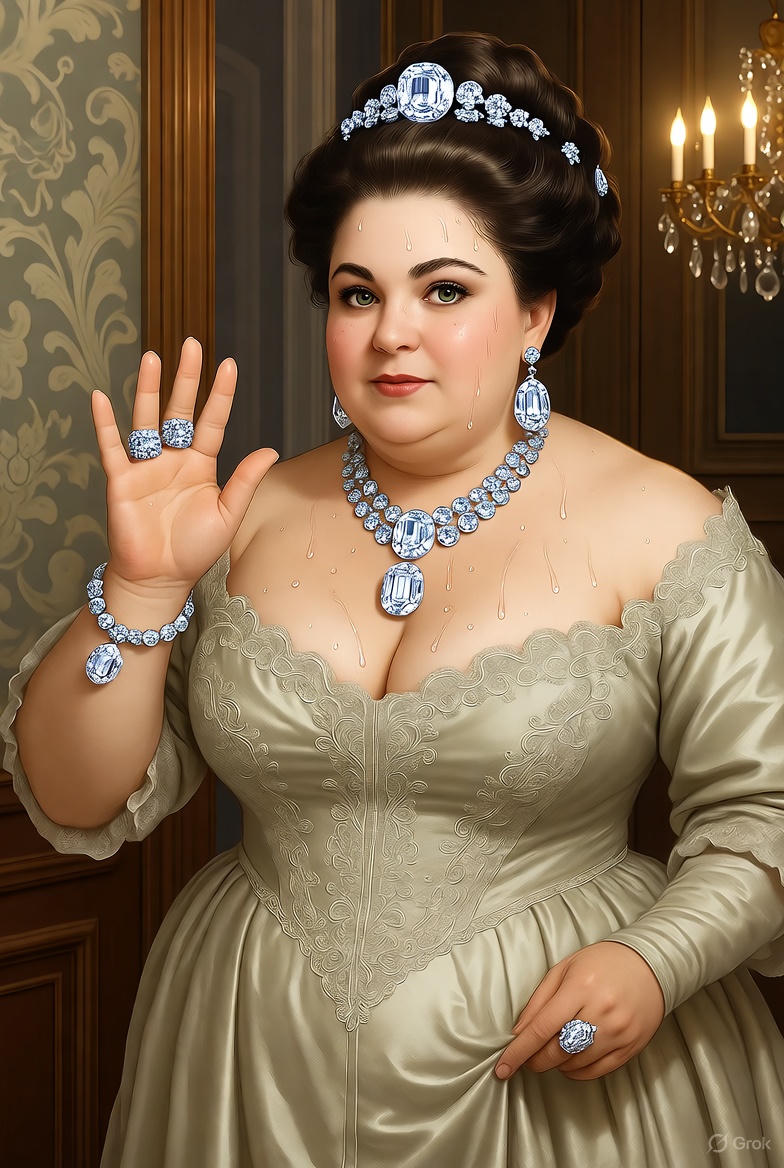
Then she takes the child, washes him, changes him, and tucks him into bed. Wülfche never stirs, lies quiet, still and contented. Then he falls asleep, beaming blissfully, the ghastly black cigar stub always in his lips. Oh yes, she was right, this tall woman. She understands children, at least Gontram children. During the dinner and into the evening they eat and the Legal Councilor talks. They drink a light wine from the Ruwer. Frau Gontram finishes first and brings the spiced wine. Her husband sniffs critically. “I want champagne,” he says. She sets the spiced wine on the table anyway. “We don’t have any more champagne. All that’s left in the cellar is a bottle of Pommery.” He looks intently at her over his spectacles, shakes his head dubiously. “Now you know you are a housewife! We have no champagne and you don’t say a word about it? What? No, champagne in the house! Fetch the bottle of Pommery– Spiced wine is not good enough.” He shakes his head back and forth, “No champagne. Imagine that!” He repeats. “We must procure some right away. Come woman; bring my quill and paper. I must write the princess.” But when the paper is set in front of him, he pushes it away again. He sighs. “I’ve been working all day long. You write woman, I’ll dictate to you.” Frau Gontram doesn’t move. Write? She’s a complete failure at writing! “I can’t,” she says. The Legal Councilor looks over at Manasse. “See how it is, Colleague? Can’t she do this for me? I am so exhausted–” The little Attorney looks straight at him. “Exhausted?” He mocks, “From what? Telling stories? I would like to know why your fingers always have ink on them, Legal Councilor. I know it’s not from writing!” Frau Gontram laughs. “Oh Manasse, that’s from last Christmas when he had to sign as witness to the children’s bad behavior!– Anyway, why quarrel? Let Frieda write.” She cries out the window to Frieda. Frieda comes into the room and Olga Wolkonski comes with her. “So nice to have you here,” the Legal Councilor greets her. “Have you already eaten this evening?” Both girls have eaten down in the kitchen. “Sit here Frieda,” bids her father. “Right here.” Frieda obeys. “Now, take the quill and write what I tell you.” But Frieda is a true Gontram child. She hates to write. Instantly she springs up out of the chair. “No, no,” she cries. “Olga should write, she is so much better than I am.” The princess stays on the sofa. She doesn’t want to do it either. But her friend has a means to make her submit. “If you don’t write,” she whispers. “I won’t lend you any sins for the day after tomorrow.” That did it. The day after tomorrow is Confession and her confession slip is looking very insufficient. Sins are not permitted during this time of First Communion but you still need to confess. You must rigorously investigate, consider and seek to see if you can’t somehow find yet another sin. That is something the princess absolutely can’t understand. But Frieda is splendid at it. Her confession slip is the envy of the entire class. Thought sins are especially easy for her. She can discover dozens of magnificent sins easily at a time. She gets this from Papa. Once she really gets started she can attend the Father Confessor with such heaps of sins that he never really learns anything. “Write Olga,” she whispers. “Then I’ll lend you eight fat sins.” “Ten,” counters the princess. Frieda Gontram nods. It doesn’t matter to her. She will give away twenty sins so she doesn’t have to write. Olga sits at the table, picks up the quill and looks questioningly. “Now write,” says the Legal Councilor. “Honorable Princess–” “Is this for Mama?” the princess asks. “Naturally, who else would it be for? Write!” “Honorable Princess–” The princess doesn’t write. “If it’s for Mama, I can only write, ‘Dear Mama’.” The Legal Councilor is impatient. “Write what you want child, just write!” She writes, “Dear Mama!” Then the Legal Councilor dictates: “Unfortunately I must inform you that there is a problem. There are so many things that I must consider and you can’t consider things when you have nothing to drink. We don’t have a drop of champagne in the house. In the interests of your case please send us a basket of spiced champagne, a basket of Pommery and six bottles of–” “St. Marceaux!” cries the little attorney. “St. Marceaux,” continues the Legal Councilor. That is namely the favorite of my colleague, Manasse, who so often helps. With best Greetings, Your–” “Now see, Colleague!” he says. “You need to correct me! I didn’t dictate this letter alone but I will sign it single handedly, and he puts his name on it. Frieda turns away from the window, “Are you finished? Yes? Well, I can only say that you didn’t need to write the letter. Olga’s Mama is coming and she’s in the garden now!” She had seen the princess a long time ago but had kept quiet and not interrupted. If Olga wanted to get ten beautiful sins she should at least work for them! All the Gontrams were like that, father, mother and children. They are very, very unwilling to work but are very willing to let others do it. The princess enters, obese and sweaty, large diamonds on her fingers, in her ears, around her neck and in her hair in a vulgar display of extravagance. She is a Hungarian countess or baroness. She met the prince somewhere in the Orient. A marriage was arranged, that was certain, but also certain, was that right from the beginning it was a fraud on both sides. She wanted the marriage to make her impossible pregnancy legal. The prince wanted the same marriage to prevent an international scandal and hide his small mistake. It was a net of lies and impudent fraud, a legal feast for Herr Sebastian Gontram, everything was in motion, and nothing was solid. Every smallest assertion would prompt legal opposition from the other side. Every shadow would be extinguished through a court ruling. Only one thing stayed the same, the little princess. Both the prince and the princess proclaimed themselves as father and mother and claimed her as their own. This product of their strange marriage is heir to many millions of dollars. The mother has the advantage, has custody. “Have a seat, princess!” The Legal Councilor would sooner bite his tongue than call this woman, ‘Highness’. She is his client and he doesn’t treat her a hair better than a peasant woman. “Take your coat off!” but he doesn’t help her with it. “We have just written you a letter,” he continues and reads the beautiful letter to her. “But of course,” cries the princess. “I will take care of it first thing tomorrow morning!” She opens her purse and pulls out a heavy envelope. “Look at this, Honorable Legal Councilor. I came straight here with it. It is a letter from Lord, Count Ormes of Greater- Becskerekgyartelep, you know him.” Herr Gontram furrows his brow. This isn’t good. The King himself would not be permitted to demand him to conduct any business while at home. He stands up and takes the letter. “That’s very good,” he says. “Very good. We will clear this up in the morning at the office.” She defends herself, “But it’s very urgent! It’s very important!” The Legal Councilor interrupts her, “Urgent? Important? Let me tell you what is urgent and important, absolutely nothing. Only in the office can a person judge what is urgent and important.” He reproaches her, “Princess, you are an educated woman! You know all about proper manners and enjoy them all the time. You must know that you don’t bring business home at night.” She persists, “But I can never catch you at the office Honorable Legal Councilor. During this week alone I was–” Now he is almost angry. “Then come next week! Do you think that all I do is work on your stuff alone? Do you really believe that is all I do? Do you know what my time alone costs for the murderer Houten? And it’s on my head to handle your millions as well.” Then he begins to tell a funny story, incessantly relating an unending imaginary story of a strange crime lord and the heroic attorney that brings him to justice for all the horrible sex murders that he has committed. The princess sighs, but she listens to him. She laughs once in awhile, always in the wrong places. She is the only one of all his listeners that never knows when he lies and also the only one that doesn’t understand his jokes. “Nice story for the children!” barks Attorney Manasse. Both girls are listening eagerly, staring at the Legal Councilor with wide-open eyes and mouths. But he doesn’t allow himself to be interrupted. It is never too early to get accustomed to such things. He talks as if sex murderers were common, that they happen all the time in life and you can encounter dozens of them every day. He finally finishes, looks at the hour, “Ten already! You children must go to bed! Drink your spiced wine quickly.” The girls drink, but the princess declares that she will under no circumstances go back to her house. She is too afraid and can’t sleep by herself, perhaps there is a disguised sex murderer in the house. She wants to stay with her friend. She doesn’t ask her Mama. She asks only Frieda and her mother. “You can as far as I’m concerned,” says Frau Gontram. “But don’t you oversleep! You need to be in church on time.” The girls curtsey and go out, arm in arm, inseparable. “Are you afraid too?” asks the princess. Frieda says, “What Papa was saying is all lies.” But she is still afraid anyway and at the same time strangely longing for these things. Not to experience them, oh no, not to know that. But she is thinking how she wants to be able to tell stories like that! Yes, that is another sin for confession! She sighs. Above, they finish the spiced wine. Frau Gontram smokes one last cigar. Herr Manasse stands up to leave the room and the Legal Councilor is telling the princess a new story. She hides her yawn behind her fan, attempts again to get a word in. “Oh, yes, dear Legal Councilor,” she says quickly. “I almost forgot! May I pick your wife up at noon tomorrow in the carriage? I’d like to take her with me into Rolandseck for a bit.” “Certainly,” he answers. “Certainly, if she wants to.” But Frau Gontram says, “I can’t go out.” “And why not?” the princess asks. “It would do you some good to get out and breathe some fresh spring air.” Frau Gontram slowly takes the cigar out from between her teeth. “I can’t go out. I don’t have a decent hat to wear–” The Princess laughs as if it is a good joke. She will also send the Milliner over in the morning with the newest spring fashions. “Then I’ll go,” says Frau Gontram. “But send Becker from Quirinusjass, they have the best.” “And now I must go to sleep–good night!” “Oh, yes, it is time I must get going too!” the princess cries hastily. Legal Councilor escorts her out, through the garden and into the street. He helps her up into her carriage and then deliberately shuts the garden gate. As he comes back, his wife is standing in the house door, a burning candle in her hand. “I can’t go to bed yet,” she says quietly. “What,” he asks. “Why not?” She replies, “I can’t go to bed yet because Manasse is lying in it!” They climb up the stairs to the second floor and go into the bedroom. In the giant marriage bed lies the little attorney pretty as can be and fast asleep. His clothing is hung carefully over the chair, his boots standing nearby. He has taken a clean nightgown out of the wardrobe and put it on. Near him lies his Cyclops like a crumpled young hedgehog. Legal Councilor Gontram takes the candle from the nightstand and lights it. “And the man insults me, says that I’m lazy!” he says shaking his head in wonderment. “–And he is too lazy to go home!” “Shh!” Frau Gontram says. “You’ll wake everyone up.” She takes bedding and linen out of the wardrobe and goes very quietly downstairs and makes up two beds on the sofas. They sleep there. Everyone is sleeping in the white house. Downstairs by the kitchen the strong cook, Billa, sleeps, the three hounds next to her. In the next room the four wild rascals sleep, Philipp, Paulche, Emilche and Josefche. Upstairs in Frieda’s large balcony room the two friends are sleeping. Wülfche sleeps nearby with his black tobacco stub. In the living room sleep Herr Sebastian Gontram and his wife. Up the hall Herr Manasse and Cyclops contentedly snore and way up in the attic sleeps Sophia, the housemaid. She has come back from the dance hall and lightly sneaked up the stairs. Everyone is sleeping, twelve people and four sharp hounds. But something is not sleeping. It shuffles slowly around the white house– Outside by the garden flows the Rhine, rising and breasting its embankments. It appears in the sleeping village, presses itself against the old toll office. Cats and Tomcats are pushing through the bushes, hissing, biting, striking each other, their round hot glittering eyes possessed with aching, agonizing and denied lust– In the distance at the edge of the city you hear the drunken songs of the wild students– Something creeps all around the white house on the Rhine, sneaks through the garden, past a broken embankment and overturned benches. It looks in pleasure at the Sunday antics of the love hungry cats and climbs up to the house. It scratches with hard nails on the wall making a loose piece of plaster fall, pokes softly at the door so that it rattles lightly like the wind. Then it’s in the house shuffling up the stairs, creeping cautiously through all the rooms and stops, looks around, smiles. Heavy silver stands on the mahogany buffet, rich treasures from the time of the Kaiser. But the windowpanes are warped and patched with paper. Dutchmen hang on the wall. They are all good paintings from Koekoek, Verboekhuoeven, Verwee and Jan Stobbaerts, but they have holes and the old golden frames are black with spider webs. These magnificent beauties came from the ArchBishop’s old hall. But the broken crystal is sticky with flyspecks. Something haunts the still house and each time it comes it breaks something, almost nothing, an infinite smallness, a crack. But again and again, each time it comes, the crack grows in the night. There is a small noise, a light creaking in the hall, a nail loosens and the old furniture gives way. There is a rattle at the swollen shutters and a strange clanking between the windowpanes. Everyone sleeps in this big house on the Rhine but something slowly shuffles around.
Now that she was calmer and accepted the situation, things went smoothly. He helped her go through her equipment and made sure she was wearing her med-alert bracelet. He explained about Sanctuary—the processing building where the Sanctuary Program, overseen by Heliopolis, processed newbies—mentioning only that the place was designed to push people out fast.
Tobal showed her the compass and map, pointing out which items were more important than others. He advised her to grab a couple extra blankets off the beds and showed how to pack everything tightly into a pack she could carry, the fabric rustling as she stuffed it in. Curious, she sipped the water from her canteen, grimacing at its metallic tang, then nibbled the food bar, spitting it out with a cough. “Ugh, that’s awful!” she exclaimed. Tobal chuckled. “Told you—it’s safe but nasty. Encourages us to move quick.”
He decided to wait out the rain. There was no sense traveling in such bad weather, and he spent one more day at Sanctuary getting to know Fiona and teaching her how to use the supplies. He explained about the maps and compass, tracing routes with his finger, and how to read them. On the morning of the second day, the rain had stopped, and it promised to be mild and clear. The sun was shining, its warmth seeping into his skin, the air fresh and crisp with the scent of wet earth. It was a perfect day for traveling, and he started by having her triangulate their location and finding it on the map, her focus sharpening with each step.
In high spirits, they headed cross-country to the southeast toward the lake where Tobal’s main camp was. Fiona was leading the way, marking knots in her cord every half-mile, her steady pace a reassuring rhythm. Since her steps were shorter than Tobal’s, she used a higher number of steps before tying the knot, but the principle was the same, her determination evident in her careful movements. As they walked, Tobal’s strange dark dreams grew stronger, the ghostly figures and slaughter haunting his sleep, and one night he woke Fiona from a nightmare, her voice trembling as she whispered, “I saw blood on the waterfall.” Her restless murmurs mirrored his own, deepening their shared unease.
As the first week progressed, things didn’t go as smoothly as they had when training with Rafe, especially since he had lost most of his emergency supplies in the flash flood. They relied heavily on the nasty-tasting Sanctuary food at first, its bitter aftertaste lingering. They spotted Federation drones sneaking around, one buzzing by a distant waterfall, its hum cutting through the trees, and once or twice, Tobal paused, feeling watched. “Did you see that?” he whispered, a shadow rustling at the forest’s edge. Fiona tensed. “Stay close,” she murmured, though he never found tracks, the sight sending a chill down his spine.
Fiona proved a quick student with an animal instinct toward self-preservation and survival. Tobal made a walking stick for her, its smooth wood fitting her grip, and showed her how to use it. As they traveled, he taught her many of the things Rafe had taught him—testing food to see if it was edible, the earthy scent of safe herbs guiding their choices, and collecting them as they went along. She caught on to snares with an uncanny sense of how animals thought and where they made their trails, her nimble fingers setting traps with ease. During one trek, Fiona slipped on a rock, Tobal steadying her as a sharp edge cut his hand slightly, blood mixing with mud, a stark reminder of nature’s unforgiving edge. Everything was backwards from how Rafe had taught him, a reversal that challenged his instincts.
More times than not, it was Fiona’s snare or trap that held the rabbit or quail, not Tobal’s, the snap of the catch a small victory. She turned out to be a much better trapper than he was. He comforted himself with the thought they had plenty of meat and spent a few days smoking jerky, the rich smoke curling around them, building up their emergency food supply.
Fiona proved to be a natural with a sling and said she played a lot of baseball as a kid, her aim sharp and confident. She was already skilled in archery, which she learned in high school, having been on the school archery team, her arrows finding their mark with practiced grace. As she threw her knife at the quail, Tobal noticed her focus, muttering, “Where’d you learn that?” She shrugged, “Survival back home,” her tone leaving it open-ended.
There were less than 24 days until the next gathering, and Tobal wondered if Fiona would be ready. He suspected she would, given how fast she caught on to things, her quick learning a quiet pride for him. He felt it didn’t matter that much because Fiona was ready to solo, and one or two days less than a month should not matter that much. He pushed the thought out of his mind, focusing on the path ahead.
After four days of travel, they reached the lake. Tobal looked around his main camp with a mixture of shock and grief, the charred remains stinging his eyes. There was nothing left standing. It had been vandalized and burned until nothing was left. Two of his food caches had been plundered, but luckily, they hadn’t found the third in a hollow spot of an old tree, sealed with rocks for protection from squirrels and other animals. As they opened the cache and divided the food, Fiona started a fire, the crackle a small comfort, and began making supper, the scent of cooking meat rising. Tobal wandered the ruins in stunned disbelief with tears stinging his eyes, wondering why anyone would have done this. Gradually, grief gave way to intense anger that rolled in his belly and glinted harshly in his eyes. He started looking around the camp for signs of who had done this thing.
He found some tracks and signs but wasn’t good enough at reading them to discern much about what had really happened. Obviously, three people had come along and destroyed the place. All of his hard work was gone, and his supplies ruined. It was hard to tell what was missing or just scattered. He was able to retrieve a few tools, their weight a faint consolation. Everything else was a loss.
The attackers left no trail to follow. Not wanting to stay in the remains of the camp, they set out around the shore of the lake. Tobal and Fiona sat by the water’s edge, the lapping waves a quiet backdrop. “What do you think happened here?” she asked, her voice soft. “Looks like someone didn’t want anyone staying,” Tobal replied, his tone heavy. “Maybe they’re hiding something.” She nodded, her eyes scanning the ruins. “It’s creepy—feels like we’re not alone.” They agreed to move on, the mystery lingering.
There was a waterfall at the far end of the lake where a mountain stream fed into it, and Tobal wanted to explore that. He had noticed it on his first trip around the lake, and something about it called to him, a pull he couldn’t ignore, especially since it haunted his dreams. Now he knew he wanted to explore it more later.
The country was rough, and they were careful to keep their own trail hidden, the crunch of gravel underfoot their only sound. The next camps Tobal and Fiona made were small and well-hidden, sheltered by rock overhangs or dense thickets. They now knew why no one else built anything on the lake. It was an obvious target for anyone going up or coming downstream. It was simply not safe and asking for trouble to build there permanently.
The end of the lake with the waterfall was very rocky and difficult to travel. There was no shore, and the rock simply dropped down into the water. What Tobal had in mind was finding some way to go upstream and explore with Fiona for a couple of weeks until the gathering. Perhaps he could find a better place to set up a main camp. With this goal in mind, they struggled through the maze of rock, boulders, and vegetation until reaching the edge of the water on the left side of the waterfall.
The waterfall was thirty feet high, and you could tell it was ancient since it had once been ten feet higher. Erosion by water in the streambed caused the rock on both sides of the stream to rise like stone pillars hidden by pine trees and forest vegetation. It was a small stream, only ten feet wide. The falling water arched over a narrow ledge that disappeared into a blank stone wall at the other end of the fall. Where they stood, the ledge opened into a small patio-like area that was flat and free of rock. It was less than a foot higher than the lake and formed a deep pool.
The water fell into the lake with a roar and violence that made the water churn and froth, but on the side where they were standing, the water was inviting and made just for swimming. There was a ledge slightly below the surface of the water, so a swimmer could easily climb back out after diving into the icy water. Tobal probed the hidden ledge with his walking stick, and the shock of discovery made icy chills explode at the base of his spine. It wasn’t a ledge at all. It was the first of at least three steps that had been deliberately carved into the rock, leading down into the pool of water. He felt a pull to dive, resisting it with effort, knowing this was something he needed to explore more later.
The discovery of the stone stairs made him more alert, and he carefully examined the small patio area where they stood. Fiona shared his excitement and enthusiasm, her eyes bright with curiosity. She finally found what they both were looking for. The cliff face jutted out in a rough and uneven manner. She had been following the cliff face and turned a sharp corner that couldn’t be seen from the patio area. In a small recess, there were distinct footholds and handholds carved into the face of the cliff, leading up where they seemed to disappear.
Tobal was first up the cliff and pulled himself onto a wide ledge that wasn’t visible from below. He helped Fiona over the edge, and they both looked around with interest. There was vegetation since topsoil had collapsed from above and fallen down. Trees, shrubbery, and vines found footholds in the small layer of topsoil and clung desperately to the rock.
Near the trees, a narrow crack in the cliff face formed a small chimney that could be climbed by pressing the body against one side and gradually working up the remaining fifteen feet to the top. They took off their packs and cut one blanket into strips, braiding it into a short rope they used to lift their packs up the chimney. Grabbing onto foliage and tree roots, Tobal pulled himself out of the rock chimney, helped Fiona out, and coiled the rope, putting it into his pack. At the top, the soil was heavier, and the foliage was more dense and almost impossible to get through. The ring of foliage gave way to pine trees, and the footing got easier. He could see what looked like a large camp ahead and started toward it.
They broke into the open and looked around in wonder at what had obviously been a large camp. There were the remains of permanent shelters and a kitchen area. Near the river was a large circle ringed with stone seats that must have been used for ceremonies and initiations. Further up a small hill were the remains of a sweat lodge, and beyond that, a patch of volunteer corn was still coming up in patches after all these years. It must have been fifteen or twenty years since anyone had visited or used the camp.
A large cairn of rocks dominated the middle of the site and was covered with offerings. They were a strange assortment of man-made objects, weathered and destroyed beyond recognition of what they once had been. As Tobal approached the cairn, a haunted energy emanated from it, a cold shiver running through him, and he instinctively knew it was the mass grave Adam had told him about. Even more strange was an offering of fresh flowers lying at its base, their sweet scent a stark contrast to the decay. “Someone else knows about this place,” he murmured, his voice tight. Fiona nodded, her eyes wide. “And they’ve been here recently—who could it be? Maybe they honor the dead?” They stood in silence, the mystery deepening their unease. “We need to get out of here, now,” Tobal said urgently. Fiona agreed, her voice low, “It feels wrong to stay.” With a shared glance, they gathered their gear and moved quickly, the weight of the secret pressing them to leave.
This was the place he had been dreaming about. People had once held gatherings here just as they did at circle. What had happened? How and why had they died? Had they known his mother and father? Was this the place Sarah’s mother and two brothers were buried? A certainty deep in his gut told him that it was. All these questions were turning in his mind, but even more forcefully was the instinctive knowledge that they needed to get out of here fast. They couldn’t be found in this place.
He knew with sick certainty this was why no one was allowed to build camps near the lake. There was some secret hidden here that was meant to remain hidden. It was dangerous to stay because they could be tracked by their med-alert bracelets. Medics would be coming soon by air sled to check on them unless they got out of the area quickly.
It was an hour later when the first air sled appeared and circled over them. By then, they were three miles away from the abandoned camp and heading upstream. They waved, but the medic didn’t wave back. After circling a few times, he simply left.
Tobal was feeling uneasy about the situation and knew continuing upstream was a mistake. It would give the impression they might follow the stream back down again to return to the forbidden area. With this in mind, he checked his location on the map and set out directly cross-country toward the gathering spot. Twice that day, air sleds checked on them but simply flew over without circling.
They made a few dry camps before reaching water again, and the going was extremely rough. The terrain was much more rocky with less vegetation and animal life. More than once, Tobal was grateful for Fiona’s prowess with snare and sling. Things would have been much more difficult if he had been on his own out here.
There were no more air sleds, and Tobal felt relief but remained careful. Camps he chose now were secret, hidden, and very hard to find, sheltered by rock overhangs or dense thickets. They built fires with dry wood that would not smoke and give away their location.
Fiona took to this new training like a duck takes to water. She was naturally secretive and suspicious of strangers. She moved so quietly with the ability to appear and disappear that she seemed like a ghost. She laughed when he told her that, though. Basically, Tobal was an even-tempered teacher, and she was quick and eager to learn. After one week of wandering, they had learned navigating by map and compass. While she was an expert with the sling, it took her a while to get her first deer with the bow, mainly because of the terrain they were traveling in. With time running short, they returned to Tobal’s main camp area, working to rebuild shelters and caches, the reversed methods from Rafe’s teachings challenging their efforts.
She was now providing the food for both of them and learning to construct various shelters. It was mid-July, and there were plenty of berries to eat as well. They saw larger animals like deer, bear, cougar, and mountain goats. It was certainly an area not occupied by anyone else.
After one week of wandering, they found a small hidden canyon with its own small waterfall and plenty of game. It was a box canyon with only one entrance that was a narrow crack in a rock face. They only found it by accident when Fiona was checking places to set out snares for the night.
It was in this remote little canyon that he decided to make his permanent base camp. They spent the remaining time building shelters, reinforcing Tobal’s main camp with new structures. He finished his teepee and used the blanket material they brought as outer covering. Together they built a permanent smoker and rack for sun-drying jerky in the hot summer sun and completed a sweat lodge they were both dying to try out.
One morning, Fiona came running to him, all excited. She had found a honey tree. It was a rare treat, and Tobal knew it would make a big hit at circle if they could find a way to get the honey without killing the bees. In the end, they covered themselves with poncho material and smoked the bees out, reaching into the tree with heavily protected hands and arms. They took two canteen cups full of the rich honeycomb and honey, leaving the rest for later. Tobal wanted the bees to survive and keep a constant supply of honey available.
Time passed quickly; it was almost the full moon, and they were far from the gathering spot. To make things even more complicated, they would be coming into the gathering spot from the valley and not from the cliff trail that most newbies entered on their first time into the area. He didn’t know how that was going to work out and decided to think about it later when they got closer to circle.
Uncertain how to bring Fiona into the camp, Tobal chose to remain hidden. With a smirk of satisfaction, he stepped around the boulder from the wide trail onto the narrow ledge and climbed to the top with Fiona following him, then instructed her to come back down the trail on her own. He figured the hidden guards would understand what was going on. He told her to wait five minutes before descending, then settled to watch. As he climbed, he hesitated, thinking, “Should I warn her about the guards?” but shook it off. He passed the area where they had taken him without incident and felt things were going all right. He was totally unprepared for the blood-curdling scream and sounds of struggle he heard coming from below. It was too late now.
Racing back down, he saw Fiona standing with her back to the cliff face, a bloody knife in her hand and a crazed look on her face. She saw Tobal and flung herself into his arms, sobbing hysterically and trembling violently.
“They attacked me,” she kept sobbing. “I didn’t mean to hurt anyone.”
One of the guards lay sprawled on the trail, bleeding fiercely from a gash in his shoulder. Tobal recognized him as a Journeyman named Dirk. The dark-haired girl was applying first aid to her fallen companion and ignoring Fiona as if she didn’t exist. The third guard was presumably running for assistance back to the camp.
Tobal held her shaking body, keeping her steady until she cried herself out. He didn’t know what to do. Other guards would be coming soon, and he was going to be in big trouble. He couldn’t think of anything to say and quietly led Fiona back down the trail. They heard the sound of running feet and moved quickly into the shadows as a group of six guards raced up the trail toward their fallen comrade.
Getting back on the trail, they entered the camp, and Tobal tried finding someone with a red robe that could straighten this whole mess out. He found Ellen, the High Priestess, by the circle and turned Fiona over to her. Fiona clung first to him as he tried to leave and then to Ellen for reassurance and safety after Ellen convinced her that everything was going to be all right.
Tobal explained the situation to Ellen, and Fiona was aghast and horrified to find out she had attacked and wounded someone who was only trying to initiate her into circle. She was furious at Tobal for setting the thing up, and Ellen had to forcibly restrain her from attacking Tobal in her fury. Ellen took it in stride and chuckled a bit.
“You certainly have what it takes to belong to our clan,” she said. “Things will be alright. Don’t worry about it.”
When the guards came to get her, Ellen suggested not to fight but go along with them peacefully for her initiation and entry into the clan. Tobal saw with amusement that Rafe was one of them and the dark-haired girl another. There were six guards coming over to where Ellen, Tobal, and Fiona were talking. Although some of the guards looked angry, Rafe was smiling. Tobal gave him a bear hug and couldn’t help but notice that Rafe flinched as if he were injured or hurt. “You okay?” Tobal asked quietly. Rafe deflected with a grin, “Just tired,” and gave no further sign anything was wrong. The guards took a peaceful and submissive Fiona to get ready for her initiation.
As they left, Ellen turned to him with a grim look on her face and said, “I think you’ve got a little explaining to do to Zee and Kevin. They were looking all over for you after circle last month. I’ll be wanting to talk with you a bit later myself, ok?”
“Oh, damn!” he said. “I forgot all about them! When do you want to talk with me?”
“Sometime after circle.”
Word soon spread that Tobal’s newbie had skewered one of the guards on the way into camp. The guard was doing fine and in no danger. Most clansmen treated it as something that was highly funny, but Tobal was not amused. Things had gone horribly wrong, and someone could have been hurt or even killed, and he felt responsible.
He was at the center of the circle proclaiming Fiona ready for her initiation when he noticed the red-haired girl, Becca, staring at him from the left side of the fire. Turning away, he continued talking and then resolutely returned to his sitting spot, determined not to look in her direction again. He had seen the wonder and astonishment on her face and knew she was as surprised to see him as he had been to see her.
Tobal’s situation was unique in that he was acting as a sponsor bringing a person into the clan for the first time. This was not a normal situation, and Fiona’s escapade with the guards made a lively buzz of conversation around the camp as people congregated before the circle and chatted together. To his relief, after her initiation, the elders approved her solo.
There were some farewells as some three-year Masters left to become citizens. August was hot, very hot even in the mountains. He was thirsty and walked over to the beer barrel.
“Hi Nikki,” he said.
“Oh,” she looked startled and turned around toward him. “Hi.”
“Congratulations on soloing.”
“Thanks.” She said and bit her lip. For some reason, she seemed a bit cool towards him. As she walked away, Tobal overheard her mutter, “Should’ve told us,” hinting at his sudden departure after circle.
“Is there anything wrong?”
“No,” she said, “I’ve just got to get going. I want to train a newbie and need to get my things ready to leave early.” She turned and walked away from him.
“Good luck,” he said to her back as she walked away. There was something definitely wrong, and it seemed to be him for some reason.
Moving over by the circle, he saw Angel dressed in a black robe and was surprised that she was a Journeyman with three chevrons.
“I thought you were an Apprentice,” he told her. “When I saw you in Sanctuary with your broken leg, you were dressed in gray.”
“That was because of my injury,” she told him. “When I went through processing for treatment, I was given the old gray stuff, and my other clothes were ruined.”
They chatted for a bit, and she was pleasant. It must just be the Apprentices that were pissed at him.
“Who is that dark-haired girl with Dirk?” he asked suddenly. “I’ve been meaning to find out her name for two months now.” He blushed a bit.
Angel laughed. “That’s Misty; she’s only got one more fight to win before she makes Master. Perhaps she can fight you, get you ready for being a real Journeyman?” She winked.
Tobal was embarrassed and changed the subject. He always had trouble with girls and didn’t really know how to take them.
Tomorrow is the first day of NaNoWriMo or National Novel Writing Month where authors around the world take the challenge of writing the complete first draft of a novel during the month of November. I will be taking that challenge and probably won’t be posting as much because I will be working hard on that novel!
I’m actually working on the second book of my Anarchist Knight trilogy. I’ve spent the last two weeks going over and revising the first novel, Anarchist Knight Apprentice, which I wrote twenty years ago. I’ve cleaned up some errors and added a scene about time travel to help tie in the 2nd book.
Anarchist Knight Journeyman is a complex sci-fi novel with some time travel elements as well as intrigue and adventure. I’ve been re-familiarizing myself with the story since it’s been twenty years . . . and I hope I’m ready!
I’m using a writing program called Scrivener to organize and write this project. I’m also using Dragon Naturally Speaking to voice type or dictate the rough draft and will be using ProWritingAid to revise and polish up the rough draft and turn it into a polished manuscript later on. DragonNaturallySpeaking and ProWritingAid will not work together so I need to begin work with one and then finish with the other. They both work independently with Scrivener.
These programs are all new to me and I’m excited to find out how it will work. I am familiar with DragonNaturallySpeaking, but it did not work very well for translation projects so I set it aside. It should work very well for doing the rough draft of a new novel.The goal is to write 50,000 words in 30 days or around 1,665 every day! Wish me luck!
I’m planning to making the switch from translating stories to writing my own . . . we will see how it goes.




 Anarchistbanjo's World