OD by Karl Hans Strobl and translated by Joe E Bandel
“Tell me,” the sick woman’s voice complained, “what is that over there? I’ve been seeing it all this time.”
“What do you see?” asked Reichenbach.
“It’s like a large five of cards, four spots arranged in a square and a fifth in the middle, all faintly glowing. What is that?”
Reichenbach looked around; his eyes tried to pierce the darkness; he saw no glowing five of cards, nowhere in the pitch blackness even a hint.
“Where do you see the glow?” Reichenbach took a few steps at random, bumped into something, changed direction, and groped further.
“How do you feel, gracious lady?” asked Eisenstein.
“It cools me,” said the sick woman quietly, “that feels good; the Baron is coming toward my bed.”
“Do you feel that?” And Reichenbach pressed on in the direction he had taken.
“No, please,” cried the Hofrätin in distress, “stop, stay where you are. Don’t go further. Now a warm breeze comes from you. I feel sick; I believe you are ill, Baron.”
“You’re mistaken there,” laughed Reichenbach, “I’m not the slightest bit unwell.”
“How do you perceive that?” asked Eisenstein.
“I don’t know, I can’t say. But I believe the Baron is sick or will become sick.”
“I can reassure you, Frau Hofrätin, you are certainly mistaken.”
One could hear that the sick woman moved restlessly in the bed. “I want to know what this five means. It frightens me when I don’t know.”
“One must bring light…” Eisenstein considered, “the Baron and I see nothing.”
“Let light come for a moment,” the Hofrätin groaned, “I want to know.”
Eisenstein, after some searching, found the door, opened it, and called for the maid. Although the anteroom was unlit, a faint twilight already penetrated the deep darkness. And after a while, the maid came with the lamp.
The Hofrätin lay pale, with wide eyes in the bed, staring at the opposite wall. “There… over there,” she said, and a faint hand rose.
“Where did you see the five?” Reichenbach asked again, for there was nothing but a wall with a small chest of drawers, a little bookcase, and then a double door leading to the next room. “Where… there? There?”
He pointed to the chest of drawers, the bookcase, to the pictures on the wall.
“No, much larger, as big as the door and right in the middle.”
It suddenly occurred to Reichenbach that there was the double door, and it had a hinge fitting on each side and the lock and handle in the middle—together five metal spots, a large five of cards.
“Were the spots that high?” asked Reichenbach, stretching toward the top edge of the door.
“Yes… they may have been there.”
“It’s the door,” Reichenbach turned to Eisenstein, “the fittings are brass.”
They were brass, fine, but did brass glow in the darkness? What peculiar ability did this woman possess that she saw metal glowing in the blackness?
“May I,” said Eisenstein quickly, “since we now have light, I would like to show the Baron Reichenbach something, gracious lady.” He pulled something from his pocket, a piece of iron, red-painted at one end—a magnet, a common bar magnet.
The sick woman turned restlessly; she wanted to be alone again at last, but the men were seized by the ruthless zeal of science. “We’ve already tried it. Please close your eyes.” And Eisenstein comes slowly toward the bed and places the red end of the magnet rod into the Hofrätin’s left hand.
She lies with closed eyes, and her fingers clasp the iron; her features smooth out a little. “Please, how do you feel the touch?”
“Cool.”
Eisenstein takes the magnet from her hand, turns it around, and places it back into her left hand.
“How do you feel that?”
The sick woman groans; her face expresses disgust: “Warm! Repulsive!”
Eisenstein looks up at the Freiherr, who stands there shaking his head. A silent question: What do you say now? The doctor removes the magnet, gives it back to the patient, now with one end, now with the other, then two, three, four times in a row with the same end, in random alternation; whenever the Hofrätin grasps the north pole, she feels the iron cool and soothing; when she has the south pole between her fingers, it feels warm and unpleasant. She obediently keeps her eyes closed, but her answers remain certain; she doesn’t err a single time.
“Is it for this reason that you spoke of a kinship with magnetism?” Reichenbach asks finally.
“Wait?” And now Eisenstein places the magnet in the patient’s right hand.
She twists her face and breathes in gasps. “How do you perceive that?”
“Warm and repulsive.”
It is the north pole that she now holds in her right hand. With with wide-open eyes, Reichenbach stares at the slender fingers trembling around the iron. Reversed? The opposite effect from the left? Yes, by God, exactly reversed—what was soothing on the left is tormenting on the right, what was painful on the left is pleasant on the right. Eisenstein continues his experiments—ten times, twelve times—checking the phenomenon on the left hand in between; no error blurs the picture.
Then the sick woman impatiently opens her eyes, gasping: “Leave me alone at last. I can’t anymore. I cannot tolerate the light any longer.”
“Yes, yes, gracious lady,” Eisenstein soothes, “we are finished. We’ll leave now. Drink the tea I prescribed, and try to sleep. I’ll see you again tomorrow.”
Then the men stand outside the door; Eisenstein’s looks ask clearly: Well, did I exaggerate? Did I call you here for nothing? Am I now also a man or not? A man like Schuh, eh?
Reichenbach’s eyes burn inwardly. “What interpretation do you have for that… for all these phenomena?”
Eisenstein has no interpretation; he shrugs his shoulders: “The key eludes me for now. But I believe this is a matter that concerns not only the physician but also the physicist, and that’s why I asked you to come.” Eisenstein has played a trump card; he feels it, he knows that Reichenbach is gripped by the problem. Eisenstein has become an important figure. He has unleashed the passion of thought in the Freiherr, his only passion; he has shown him something new, and forced his way into the fortified house and to Hermine; oh ho, what this Schuh can do, Eisenstein can do too—make himself indispensable—and now he will surely succeed in making up for the lead that Schuh has.
The men trudge wordlessly side by side through the dark streets in slushy snow. Under a streetlamp, Reichenbach stops, seized by a thought. “Perhaps they are rays… a kind of rays emanating from things…”
He breaks off, overwhelmed by his thoughts, and Eisenstein eagerly confirms: “It could also be, in a way, a kind of rays…”
He feels with satisfaction how furiously his companion’s mind is working. In this head, it’s now a wild tumult. It’s a volcano, a sea of flames, a tumbling chaos, a roaring, a battling, a hissing of blazing thoughts; the skull walls stand under a pressure as if they must burst; the Blansko furnace, all the blast furnaces of the world, are mere panting kettles compared to it; their glow is a pitiful little fire.
Chapter 98: The World Doesn’t Change, You Do – Adapting Internally for External Harmony and Breakthroughs
Have you ever hit a wall of endless frustration—projects stalling, relationships straining, opportunities slipping away—feeling like the universe itself conspires against you, until a sudden shift in your perspective or approach unlocks the floodgates, revealing that the “block” was never out there but within your own resistance to what is? What if “miracles” of flow and success arose from embracing life’s unyielding nature, where personal insights, new understandings, or helpful guidance alter you to align with reality, bursting through self-imposed barriers as the world “cooperates” once your internal program syncs with its rules, like mastering a computer’s logic to make it work seamlessly? In this insight into adaptation’s power, we recognize that frustration stems from resisting “what is,” demanding we change (gaining insights, learning better ways) rather than expecting external shifts; technology’s instant checks (e.g., scanned payments) exemplify rigid “hoops,” while paradox resolution in chaos builds to quantum leaps, urging enjoyment of the journey amid inevitable new challenges. This isn’t passive resignation; it’s empowered evolution, where understanding life’s “program” fosters win-win resolutions, turning prolonged struggles into swift snaps of progress and resilient survivalism through constant change.
This internal adaptation subtly reflects a balanced dynamic: The expansive force of personal evolution (outward, generative insights like branches adapting to wind’s direction for optimal reach) aligns seamlessly with the grounding acceptance of reality (inward, stabilizing “what is” like roots conforming to soil’s contours for firm anchor), creating harmony without futile fight. Like an oak tree, whose “destiny” forms not by bending the world but by altering growth to thrive in it (resolving environmental paradoxes through flexible strength), miracles of breakthrough emerge from synced alignment. In this chapter, we’ll adapt these principles into transformative truths, covering frustration’s internal roots, resistance to “what is,” insights for change, life’s “program” hoops, paradox resolution leaps, embracing the journey, and survivalism through adaptation, all linked to your OAK Matrix as third-eye insights (internal shifts) resonating with root resilience (external harmony). By the end, you’ll have tools to spot resistances, seek adaptive insights, and turn internal changes into “superhuman” flow, transforming blocked struggles into purposeful adaptation. Let’s shift your perspective and uncover how change unlocks miracle-level cooperation.
Frustration’s Internal Roots: When Blocks Seem External but Aren’t
Frustration signals self-created barriers—your text observes that when stuck, everything feels contrary, but the issue lies within, not the world.
Why miraculous to internalize? It empowers ownership, turning “universe against me” to solvable self-adjustment. Common trait: Perceived external; truly internal.
Dynamic balance: Roots’ inward block (stabilizing resistance) aligns with recognition’s outward shift (generative insight), blending stuck with solve.
In OAK: This solar plexus frustration integrates with third-eye self-awareness for breakthrough clarity.
Empowerment: In frustration, journal “What’s blocking me internally?”—note shift from blame to ownership.
Resistance to “What Is”: The Source of Difficulty and Stagnation
Resisting reality amplifies hardship—your text explains our opposition to unchanging facts makes adaptation tough, demanding we alter instead.
Why superhuman to release? It frees energy for flow, as denial prolongs pain. Common: Ego-driven; non-accepting.
Dynamic: Resistance’s inward oppose (stabilizing deny) aligns with acceptance’s outward adapt (generative align), fusing fight with flex.
In OAK: Emotional resistance resonates with root reality for grounded evolution.
Practical: Identify a “resisted” fact—affirm “I adapt to what is,” observe eased difficulty.
Insights for Change: Gaining Understanding to Unlock Cooperation
Change comes from internal shifts—your text notes new insights, better methods, or help alter us, removing blocks so the world “cooperates.”
Why miraculous? It reveals self as key, turning frustration to flow. Common: Gained; non-static.
Dynamic: Insights’ outward learn (generative new) aligns with change’s inward unlock (stabilizing remove), blending seek with sync.
In OAK: Third-eye insights integrate with heart understanding for cooperative harmony.
Empowerment: Seek insight on a block (e.g., ask mentor)—apply for “cooperation” test.
Life operates like unyielding software—your text likens it to computer’s logic or instant checks, where jumping “hoops” works, resistance fails.
Why superhuman to master? It demands humility, syncing personal will with systemic rules. Common: Rule-bound; non-bendable.
Dynamic: Program’s stabilizing rigid (grounding in is) aligns with adaptation’s outward jump (generative master), blending accept with achieve.
In OAK: Root life’s rules resonate with solar plexus will for adaptive prowess.
Practical: List life’s “hoops” (e.g., tech processes)—practice one for synced ease.
Paradox Resolution Leaps: Chaos Build-Up to Quantum Snaps
Paradoxes resolve in high-pressure snaps—your text describes energy/chaos building unbearably until “snap together” creates win-win leaps, explaining life’s difficulty as prep for breakthroughs.
Why miraculous? It turns prolonged pain into swift transformation. Common: Built; non-instant.
Dynamic: Paradox’s inward build (stabilizing chaos) aligns with leap’s outward snap (generative new), blending endure with evolve.
In OAK: Lower emotional chaos integrates with higher unity for quantum maturity.
Empowerment: In chaos, affirm “Build for snap”—track building insights for leap readiness.
Embracing the Journey: Enjoying Hard Work Amid New Challenges
Enjoy the process, as mastery invites harder goals—your text urges finding joy in effort, as ease in one area leads to ambitious nexts with unknown “hoops.”
Why superhuman? It sustains motivation through inevitable frustrations. Common: Journey-focused; non-end-only.
Dynamic: Journey’s stabilizing embrace (grounding in work) aligns with enjoyment’s outward joy (generative sustain), blending toil with thrill.
In OAK: Third-eye embrace integrates with heart joy for enduring delight.
Practical: In a challenge, affirm “Enjoy the hoop”—note shifted attitude.
Survivalism Through Adaptation: Change as Key to Thriving
Adaptation ensures resilience—your text ties it to survivalism, where internal flexibility meets external constancy for strength.
Why miraculous? It turns rigidity into resourcefulness, thriving amid unchange. Common: Flexible; non-resistant.
Dynamic: Adaptation’s inward alter (stabilizing self) aligns with survival’s outward thrive (generative world), blending change with constancy.
In OAK: Root adaptation resonates with solar plexus strength for vital survival.
Empowerment: Face an “unchangeable”—adapt internally, note cooperative shift.
Shared Traits: Internal Shifts, Paradox Leaps, and Adaptive Journeys
These elements unite: Frustration roots, resistance sources, insight changes, program hoops, paradox snaps, journey embraces, adaptation survival—your text ties them to self-alteration unlocking world’s cooperation.
Why? External fixed; internal flexible. Dynamic: World’s inward constancy (grounding in is) aligns with self’s outward adapt (generative you), merging accept with alter.
In OAK: Lower root (world) resonates with higher unity for miracle adaptation.
Empowerment: Spot frustrations—realign with traits for adaptive flow.
Cultivating Internal Change: Training for Adaptive Insights
Change is trainable: Gain insights, burst bubbles, enjoy journeys—your text implies removing blocks via self-shifts syncs with unyielding world.
Why? Resistance stalls; adaptation empowers. Dynamic: Cultivation’s stabilizing insight (grounding in alter) aligns with change’s outward sync (generative cooperate), fusing self with system.
In OAK: Third-eye (insights) integrates with solar plexus (adapt).
Practical: Weekly “block audit”—seek insight/adapt for habitual harmony.
Partner Adapt Share: Discuss a “block shift” with someone (men: outward leap; women: grounding embrace). Explore seamless integration. Alone? Affirm, “Internal and external align in me.”
Adapt Ritual: Visualize block; gain insight (e.g., affirm “I change”). Act: Apply to a hoop, note cooperation.
Journey Exercise: Weekly, enjoy a challenge—observe paradox snap.
These awaken power, emphasizing seamless dynamic over resistance.
Conclusion: Unlock Miracles Through Internal Adaptation
The world doesn’t change, you do—internal frustration, resistance clouds, insight unlocks, program hoops, paradox leaps, journey embraces, adaptation survival—transforms blocks into cooperative miracles. A balanced dynamic unites grounding with expansion, turning unyielding to superhuman flow. Like an oak adapting to winds for timeless stance, embrace this for resilient living.
This isn’t waited—it’s willed. Adapt internally today, leap boldly, and feel the miracle. Your life awaits—aligned, adaptive, and miraculously yours.
Chapter 97: Ideas Become Emotions; Emotions Become Actions – Igniting Goals Through Mental-Emotional-Physical Flow
Have you ever obsessed over a dream—whether launching a business, mastering a skill, or building deeper connections—until your thoughts ignited a fire of passion within, compelling you to leap into action despite obstacles, only to discover that sustained effort transformed initial stumbles into effortless competence? What if “miracles” of achievement arose from harnessing the natural progression where persistent ideas evolve into motivating emotions, and those emotions propel decisive physical steps, building self-esteem through competence as seen in toddlers’ relentless walking attempts or students powering through mental fatigue to gain intellectual muscle? In this blueprint for goal manifestation, we trace the chain: prolonged thinking fatigues yet strengthens mental “muscles,” fostering competence and emotional investment that drives action; without emotional fire, ideas fizzle, but channeling it sustains through dry spells, inspiring others while competence turns “hard” into “easy” via repeated tries. This isn’t abstract musing; it’s empowered alchemy, where understanding the idea-emotion-action flow equips you to fuel ambitions, ensuring physical deeds yield tangible progress and rewarding fulfillment.
This goal-ignition process subtly reflects a balanced dynamic: The expansive genesis of ideas (outward, generative thought like branches ideating new leaves) aligns seamlessly with the grounding surge of emotions into actions (inward, stabilizing drive like roots channeling passion into firm hold), creating harmony without inertia. Like an oak tree, whose conceptual “growth plan” (seasonal ideas) fuels emotional vigor (sap’s flow) to manifest physical expansion (branching out), miracles of competence emerge from aligned progression. In this chapter, we’ll fuel these principles into motivational insights, covering idea-emotion evolution, mental muscle-building, emotional drive’s power, action’s competence forge, and sustaining through challenges, all linked to your OAK Matrix as third-eye ideation (mental seeds) resonating with lower emotional centers (passion fuel) and root physicality (action roots). By the end, you’ll have tools to think passionately, emote purposefully, and act competently, turning stalled dreams into “superhuman” realities. Let’s spark your chain and uncover how this flow unlocks miracle-level accomplishment.
Idea-Emotion Evolution: Thinking Long Enough to Ignite Passion
Prolonged focus on ideas breeds emotion—your text asserts thinking “long and hard” enough generates feeling, turning intellectual concepts into motivational forces.
Why miraculous? It bridges mind to heart, infusing goals with drive. Common trait: Invested thought; non-fleeting.
Dynamic balance: Ideas’ inward genesis (stabilizing think) aligns with emotions’ outward birth (generative feel), blending conceive with compel.
In OAK: This third-eye ideas integrate with emotional centers for passionate ignition.
Empowerment: Choose a goal—journal daily thoughts on it, note emerging emotions.
Mental Muscle-Building: Fatigue to Competence Through Practice
Intense thinking drains yet strengthens—your text likens it to college/tax work fatiguing us, but practice builds “mental muscles” for easier endurance and competence.
Why superhuman? It evolves exhaustion into effortless skill, boosting confidence. Common: Practiced; non-initial.
Dynamic: Muscle’s stabilizing build (grounding in practice) aligns with competence’s outward ease (generative sure), fusing strain with strength.
In OAK: Mental-level work resonates with solar plexus endurance for confident flow.
Emotional Drive’s Power: Fueling Action and Inspiring Through Challenges
Emotions compel physical steps—your text notes strong feelings link to responses like “fight or flight,” driving action for relief, sustaining through dry spots and inspiring others.
Why miraculous? It turns inner fire into external momentum, overcoming inertia. Common: Motivational; non-rational.
Dynamic: Emotions’ inward surge (stabilizing fuel) aligns with action’s outward propel (generative do), blending feel with forge.
In OAK: Lower emotional drive integrates with root physical for resilient pursuit.
Empowerment: Feel goal-passion—channel into one action (e.g., step despite doubt), note inspiration.
Action’s Competence Forge: From Stumbles to Effortless Skill
Emotions lead to repeated actions building competence—your text uses toddler walking (falls to runs) as metaphor, where tries yield muscular coordination and ease.
Why superhuman? It shifts “hard” to “automatic,” rewarding persistence. Common: Trial-built; non-instant.
Dynamic: Action’s outward try (generative repeat) aligns with competence’s inward forge (stabilizing skill), blending fail with fluent.
In OAK: Root physical actions resonate with solar plexus persistence for masterful ease.
Practical: Practice a skill (e.g., new hobby)—embrace stumbles, celebrate competence milestones.
Sustaining Through Challenges: Emotional Support in Dry Spells
Emotional investment carries us—your text stresses without passion, goals fizzle; it sustains droughts, inspires allies.
Why miraculous? It prevents quits, turning obstacles into triumphs. Common: Sustaining; non-detached.
Dynamic: Challenges’ inward dry (stabilizing test) aligns with emotion’s outward support (generative inspire), blending drought with drive.
In OAK: Emotional sustain integrates with heart inspiration for enduring alliances.
Empowerment: In a goal “dry spot,” recall emotional “why”—use to rally self/others.
Shared Traits: Thought-Emotion-Action Chain, Competence Rewards, and Persistent Flow
These elements unite: Idea-emotion birth, mental build, emotional propel, action forge, challenge sustain—your text ties them to the progression where thinking sparks passion, passion drives deeds, deeds yield competence.
Why? Wishing stalls; chain empowers. Dynamic: Ideas’ inward start (grounding in think) aligns with actions’ outward end (generative achieve), merging mind with manifest.
In OAK: Lower mental (ideas) resonate with higher unity for chain miracles.
Empowerment: Spot chain breaks—realign with traits for fluid progression.
Cultivating Goal Flow: Training for Idea-Emotion-Action Mastery
Flow is trainable: Think persistently, emote deeply, act repeatedly—your text implies building from fatigue to ease via practice.
Why? Disjoint hinders; chain empowers. Dynamic: Cultivation’s stabilizing think (grounding in idea) aligns with flow’s outward act (generative competence), fusing spark with sustain.
In OAK: Third-eye (idea) integrates with emotional/action.
Practical: Weekly goal “chain”—think, emote, act on one for habitual mastery.
Practical Applications: Igniting the Chain Daily
Make achievement miracles chained:
Chain Journal: Note an idea-emotion-action (male path: generative action; female path: stabilizing emotion). Reflect dynamic: Grounding thought + outward deed.
Partner Chain Share: Discuss a “goal chain” with someone (men: outward sustain; women: grounding think). Explore seamless integration. Alone? Affirm, “Idea and action align in me.”
Ignition Ritual: Visualize idea to emotion to action (e.g., affirm goal passion). Act: Take an emotional step, note competence build.
Sustain Exercise: Weekly, push through dry—use emotion for inspiration boost.
These awaken power, emphasizing seamless dynamic over stall.
Conclusion: Unlock Miracles Through Chained Progression
Ideas become emotions; emotions become actions—thought ignition, mental muscle, emotional fuel, action forge, challenge sustain—manifest goals via competence and esteem. A balanced dynamic unites grounding with expansion, turning concepts into superhuman realities. Like an oak from acorn idea to towering action, embrace this for achieved living.
This isn’t thought—it’s done. Ignite ideas today, act emotionally boldly, and feel the miracle. Your life awaits—passionate, competent, and triumphantly chained.
Chapter 96: Where Your Attention Goes Your Energy Flows – Directing Focus for Abundant Vitality and Purpose
Have you ever ended a day utterly drained, despite starting with a full tank of enthusiasm—your energy siphoned by endless distractions like nagging work demands, children’s needs, or mindless scrolling—leaving nothing for the passions that truly ignite your soul, and wondering if there’s a way to reclaim that vital force for what matters most? What if “miracles” of renewed vigor and accomplishment arose from mastering the simple yet profound truth that your attention is the gateway for your energy, where limited daily reserves flow toward what you choose to engage, demanding ruthless prioritization to avoid wastes like unsolvable complaints or overambitious failures, and instead channeling into result-yielding pursuits that build momentum and fulfillment? In this revelation on attention’s power, we explore energy’s finite cycle (sleep recharge, daily depletion), the magnetic pull of demands (work, media, ads seeking your “money energy”), and the necessity of conscious selection to prevent drains, ensuring your flow supports goals over others’ agendas. This isn’t passive depletion; it’s empowered direction, where filtering distractions conserves for meaningful actions, turning scattered expenditure into strategic abundance.
This attention-energy dynamic subtly reflects a balanced dynamic: The expansive flow of vitality (outward, generative direction like branches extending toward nourishing sun) aligns seamlessly with the grounding filter of choice (inward, stabilizing focus like roots selectively absorbing vital water), creating harmony without exhaustion. Like an oak tree, whose energy surges toward light-capturing leaves (attention-led growth) while conserving for deep anchors (prioritized reserves), miracles of abundance emerge from directed flow. In this chapter, we’ll channel these principles into energizing truths, covering energy’s limited reserves, attention as director, identifying drains, choosing deserving pursuits, commercials’ energy grabs, and conscious conservation, all linked to your OAK Matrix as solar plexus focus (attention choice) resonating with root vitality (energy flow). By the end, you’ll have tools to audit attention, prioritize returns, and turn energy direction into “superhuman” abundance, transforming drained days into purposeful power. Let’s focus your flow and uncover how attention unlocks miracle-level vitality.
Energy’s Limited Reserves: The Daily Cycle of Depletion and Recharge
Our energy is finite, renewing nightly—your text describes sleep draining surplus via dreams, morning refreshment, and daytime expenditure until empty.
Why miraculous to manage? It highlights scarcity, urging wise allocation. Common trait: Cyclic; non-unlimited.
Dynamic balance: Reserves’ inward recharge (stabilizing sleep) aligns with day’s outward spend (generative activity), blending rest with release.
In OAK: This root physical cycle fuels solar plexus direction for sustained power.
Empowerment: Track a day’s energy “spend”—note depletion points for awareness.
Attention as Director: Where Focus Leads, Energy Follows
Attention channels limited energy—your text asserts we must select deserving targets, as everything vies for it (work, kids, interests, TV).
Why superhuman? It empowers gatekeeping, preventing diffusion. Common: Selective; non-scattered.
Dynamic: Attention’s outward lead (generative channel) aligns with energy’s inward flow (stabilizing reserve), fusing guide with give.
In OAK: Third-eye attention integrates with solar plexus energy for directed dynamism.
Practical: List daily “attention pulls”—rank by deserving, redirect from low to high.
Identifying Drains: Spotting Wastes That Sap Vitality
Many pulls waste energy—your text warns of open-minded listening to unsolvable woes or failing at over-head tasks, depleting without return.
Why miraculous to avoid? It conserves for fruitful use, ending “hard day, nothing done” cycles. Common: Non-productive; non-reciprocal.
Dynamic: Drains’ inward sap (stabilizing loss) aligns with identification’s outward spot (generative avoid), blending leak with lock.
In OAK: Emotional drains resonate with mental discernment for vigilant conservation.
Empowerment: Flag a “drain” (e.g., endless complaint session)—withdraw attention, note saved energy.
Dynamic: Conservation’s inward intent (stabilizing choice) aligns with flow’s outward direction (generative your), blending guard with guide.
In OAK: Third-eye consciousness integrates with solar plexus direction for masterful management.
Practical: Set daily “attention budget”—allocate to priorities, minimize wastes.
Shared Traits: Cyclic Reserves, Directed Choices, and Yielding Focus
These elements unite: Limited cycles, attention direction, drain spots, deserving pursuits, ad grabs, conscious conservation—your text ties them to energy’s flow via focus, urging result-prioritization over wastes.
Why? Diffusion drains; direction empowers. Dynamic: Attention’s inward matter (grounding in choice) aligns with energy’s outward flow (generative go), merging mind with momentum.
In OAK: Lower root reserves resonate with higher unity for energy miracles.
Empowerment: Spot scattered focus—realign with traits for vital redirection.
Cultivating Attention Direction: Training for Energy Mastery
Direction is trainable: Prioritize yields, avoid drains—your text implies filtering distractions conserves for goals, as open-mindedness wastes.
Why? Waste weakens; mastery multiplies. Dynamic: Cultivation’s stabilizing filter (grounding in deserve) aligns with direction’s outward prioritize (generative flow), fusing select with spend.
In OAK: Solar plexus (choice) integrates with root (energy).
Practical: Weekly attention audit—redirect one drain to a yield for habitual mastery.
Partner Flow Share: Discuss a “drain” with someone (men: outward prioritize; women: grounding filter). Explore seamless integration. Alone? Affirm, “Attention and energy align in me.”
Choice Ritual: Visualize energy leak; redirect focus (e.g., affirm priority). Act: Swap a waste for a result-activity, note surge.
Yield Exercise: Weekly, test a pursuit’s return—amplify if positive, drop if not.
These awaken power, emphasizing seamless dynamic over drain.
Conclusion: Unlock Miracles Through Directed Focus
Where your attention goes your energy flows—limited cycles, focus direction, drain identification, deserving pursuits, ad grabs, conscious conservation—empowers abundance via prioritized returns. A balanced dynamic unites grounding with expansion, turning wastes into superhuman vitality. Like an oak directing sap to thriving limbs, embrace this for energized living.
This isn’t scattered—it’s selected. Direct attention today, flow boldly, and feel the miracle. Your life awaits—vital, purposeful, and abundantly yours.
Chapter 95: Decide What You Want and Go For It – Turning Aspirations into Competent Achievements Through Persistent Action
Have you ever daydreamed about a cherished goal—wealth, love, mastery of a craft—only to let hesitation or idealism hold you back, never testing if it’s possible, while watching others dive in and emerge transformed, their competence shining as proof that dreams demand deeds over desires? What if “miracles” of fulfillment arose from boldly deciding on your wants and pursuing them relentlessly, learning by doing rather than wishing, bursting idealistic bubbles to align with reality, and building step-by-step successes that forge unshakeable self-esteem and effortless skill? In this charge to decisive action, we affirm the power of trying: timid souls rarely ask directly (waiting for mind-readers), but achievement bridges wanting (intellectual/emotional) with receiving (full-sensory experience, like orgasm vs. thought), demanding research of others’ paths, discarding what fails, amplifying what works, and embracing competence as the true reward—rejecting sloth-rewarding systems for nature’s merit-based evolution. This isn’t idle fantasy; it’s empowered pursuit, where small wins accumulate into quantum competence, turning “hard” into “easy” through persistent, result-focused effort.
This decisive pursuit subtly reflects a balanced dynamic: The expansive drive to act and achieve (outward, generative momentum like branches thrusting toward uncharted heights) aligns seamlessly with the grounding refinement of what works (inward, stabilizing successes like roots selectively nourishing viable paths), creating harmony without waste. Like an oak tree, whose destiny unfolds through testing soil’s possibilities (daring probes) and committing to fertile ones (competent growth), miracles of mastery emerge from tried effort. In this chapter, we’ll ignite these principles into motivational truths, covering decisive action’s necessity, the trying imperative, wanting vs. receiving gaps, bursting idealistic bubbles, researching paths, amplifying successes, competence’s ease, and rejecting easy handouts, all linked to your OAK Matrix as solar plexus determination (go-for-it will) resonating with root physicality (doing’s reality). By the end, you’ll have tools to decide wants, test realities, and turn persistent actions into “superhuman” competence, transforming hesitant wishes into purposeful triumphs. Let’s launch your pursuit and uncover how decision unlocks miracle-level achievement.
Decisive Action’s Necessity: Learning by Doing, Not Wishing
Decide your wants and pursue boldly—your text stresses we learn through action, not mere thought or hope, questioning impossibility without attempts.
Why miraculous? It shatters inertia, revealing true potentials. Common trait: Proactive; non-passive.
Dynamic balance: Decision’s inward choice (stabilizing want) aligns with action’s outward go (generative try), blending intent with impact.
In OAK: This solar plexus will fuels root doing for grounded progress.
Empowerment: List a “want”—commit to one try-action, note learning surge.
The Trying Imperative: Power in Asking and Testing
Timidity blocks even direct asks—your text laments people waiting for mind-read gifts, urging bold requests as powerful starters.
Why superhuman? It overcomes fear, opening doors. Common: Assertive; non-waiting.
Dynamic: Trying’s outward ask (generative test) aligns with imperative’s inward power (stabilizing bold), fusing request with revelation.
In OAK: Throat asking integrates with solar plexus courage for opportunity grasp.
Practical: Identify an “unasked” want—practice requesting it, observe response.
Wanting Vs. Receiving: Intellectual/Emotional Gap with Sensory Fullness
Wanting is partial; receiving engages all senses—your text contrasts thought/emotion (incomplete) with full experience (e.g., orgasm vs. idea), demanding action to bridge.
Why miraculous? It completes the cycle, turning abstract to alive. Common: Sensory-rich; non-conceptual.
Dynamic: Wanting’s inward partial (stabilizing desire) aligns with receiving’s outward full (generative sense), blending dream with do.
In OAK: Emotional wanting resonates with root physical for embodied achievement.
Empowerment: Visualize a “want”—contrast thought with imagined senses, motivate action.
Bursting Idealistic Bubbles: Aligning Expectations with Harsh Realities
Pursuits reveal unexpected hardships—your text warns initial obstacles burst ideals, forcing reassessment if still desired.
Why superhuman? It refines naive to competent, sustaining drive. Common: Reality-tested; non-illusory.
Dynamic: Bubbles’ inward ideal (stabilizing fantasy) aligns with burst’s outward harsh (generative realign), blending wish with wisdom.
In OAK: Third-eye ideals integrate with root realities for grounded pursuit.
Practical: For a goal, list ideals—research hardships, adjust for realistic commitment.
Researching Paths: Learning from Others’ Methods Before Innovating
Study achievers to understand requirements—your text advises exploring others’ ways first, as nature tests all options, rewarding success over stunting failure.
Dynamic: Rejection’s inward merit (stabilizing earn) aligns with nature’s outward reward (generative thrive), blending deserve with do.
In OAK: Solar plexus reject integrates with root merit for natural abundance.
Empowerment: Avoid a “handout”—earn a small want through effort, note deeper satisfaction.
Shared Traits: Decisive Pursuit, Realistic Alignment, and Competence Momentum
These elements unite: Decisive go, trying imperative, wanting-receiving bridge, bubble bursts, path research, success amplification, competence ease, handout rejection—your text ties them to action over wish, building from tested works for fulfilling competence.
Why? Wishing stalls; doing delivers. Dynamic: Wants’ inward decide (grounding in desire) aligns with actions’ outward go (generative achieve), merging aspire with accomplish.
In OAK: Lower emotional wants resonate with higher unity for miracle competence.
Empowerment: Spot wish-without-do—realign with traits for proactive fulfillment.
Cultivating Decisive Pursuit: Training for Action-Driven Competence
Pursuit is trainable: Decide, try, research, amplify works—your text implies bursting bubbles refines, competence rewards persistence.
Why? Hesitation hinders; decision empowers. Dynamic: Cultivation’s stabilizing decide (grounding in want) aligns with pursuit’s outward go (generative competence), fusing choice with conquest.
In OAK: Solar plexus (decide) integrates with root (do).
Practical: Weekly “want-try”—research and step toward one for habitual competence.
Partner Pursuit Share: Discuss a “bubble burst” with someone (men: outward amplify; women: grounding research). Explore seamless integration. Alone? Affirm, “Want and do align in me.”
Action Ritual: Visualize ideal vs. real; commit step (e.g., research goal). Act: Try a “work” expansion, note ease.
Competence Exercise: Weekly, build a small win—accumulate for esteem boost.
These awaken power, emphasizing seamless dynamic over stall.
Conclusion: Unlock Miracles Through Decisive Doing
Decide what you want and go for it—decisive necessity, trying power, wanting-receiving, bubble realism, path research, success amplification, competence ease, handout rejection—turns wishes into competent miracles via action. A balanced dynamic unites grounding with expansion, transforming ideals into superhuman fulfillments. Like an oak deciding sunward growth through tested thrusts, embrace this for achieved living.
This isn’t wished—it’s done. Decide today, go boldly, and feel the miracle. Your life awaits—decided, competent, and triumphantly yours.
OD by Karl Hans Strobl and translated by Joe E Bandel
He projected images onto a light-sensitive plate with a lens; everyone was talking about it, everyone flocked to the young man; all of Vienna wanted to stand before his lens—it had become a lucrative business, Schuh had money in abundance. He had also made pictures of the entire Reichenbach family, each one individually and all together with the Freiherr in the middle—no doubt, it was living reality, so vivid and faithful as no painter could reproduce.
Thus, it was by no means the Freiherr’s intention to completely fall out with Schuh, and the neglect of Hermine’s botanical work wasn’t so serious either, since Schuh helped her with it too. When Reichenbach expressed his dissatisfaction, it was probably more because he had grown accustomed to occasionally picking at her to spur her on to higher achievements.
Reinhold also provided ample occasion for disapproving criticism. Although they now lived in the city, he sometimes stayed out in the evenings and excused himself with his studies, but then he was surely huddled with the other students in some back room, holding conversations about “freedom” and “people’s wishes.” Over this part of his life, he spread deliberate obscurity. How much he had been incited to defiance was shown by the fact that he dared to retort to his father that he was no schoolboy, that rascal, and that one had to rebuke him sternly to make him crumple and then stand at attention again.
Even with Ottane’s household management, Reichenbach had much to criticize. His reproaches brought forth tears.
“And how long are these sessions with this Herr Heiland supposed to last?”
“Heiland says my picture will be the best he’s ever painted.”
“Nonsense, this picture-painting! Look at Schuh, you step in front of his apparatus and in a few hours have a picture, more similar than any painter could ever make.”
“Heiland says that Daguerreotypy will never be able to replace painting. Daguerreotypy is mechanics, but painting is art.”
“Briefly,” the Freiherr cut off Ottane’s thread, “I want this matter to come to an end once and for all.”
Perhaps Reichenbach’s mood would have been considerably better if he had come to a more intimate understanding with Therese Dommeyr. The fame of the actress was still on the rise; her star shone over the Viennese theater sky; so many people took an interest in her art and her existence; ultimately, it was no wonder if little was left for the individual. She also came to Bäckergasse, fluttered through the rooms, had pastries and a glass of Spanish wine served, rang out with her bell-like laughter, told theater stories, rearranged the knick-knacks on the dressers and cabinets, moved the embroidered and crocheted covers from one place to another, and then vanished again.
As soon as she was gone, Ottane, who never showed herself during such visits, reappeared, sniffed with a wrinkled nose at the foreign scent, put the table runners and sofa covers back in their original places, and also returned the knick-knacks to their spots.
Sometimes Therese came laden with bile and on the verge of bursting. “I beg you, Baron, have you any idea? This rabble at the theater, such a bunch! By my soul, I’ll pull myself together and run away from them.” They had annoyed her; they didn’t appreciate her enough, things didn’t always go her way; the colleagues were full of envy and spun intrigues, the male colleagues were after her, but Therese didn’t care about them, let them go, and then they switched to the enemy side. She wept a little, she scolded like a magpie, she called down God’s judgment on the whole theater gang, she screamed and shook herself, and in all that commotion, she was as charming as ever.
“Yes, the theater is hot ground,” Reichenbach said cautiously, “ultimately, you’ll get tired of it and want to flee into a bourgeois existence.”
“Do you think so?” Therese let the handkerchief sink, which she had stuffed into her mouth to stifle her crying fit. “Oh,” and she made sorrowful innocent eyes, the expression of a deeply wronged child, “I think, after all, I’m lost for that. A bourgeois existence… and married, ultimately a comedienne?” And the look of those innocent eyes became so penetrating that it sent a shiver, hot and cold, down Reichenbach’s back.
Yes, she offered, so to speak, samples of her iridescent, light-hearted personality and left behind an increased appetite for more after every visit. But before any grasping or holding, she slipped away smoothly and agilely like a glittering little fish.
On a winter evening, Severin announced Doctor Eisenstein.
Reichenbach was just in his laboratory, engaged in investigations on magnetism, prompted by Schuh. Eisenstein? What reason had Eisenstein to seek him out? For if he thought that Reichenbach had changed his mind and now thought differently about his suit, he wanted to thoroughly dispel that misconception. Reichenbach stiffened, and as the doctor entered, he saw the Freiherr armored in icy inaccessibility before him.
“I come,” the doctor began at once, “to ask for your advice.”
“What is your pleasure?”
“You see me somewhat embarrassed… it is namely a case in which I’ve reached the end of my art. I have a patient.”
“I am no physician, Herr Doktor; turn to a colleague.”
Eisenstein shook his head: “That wouldn’t help me. The colleagues don’t think beyond the tips of their noses. I need a man who has an unprejudiced eye for the new, who looks beyond the obvious, who at the same time masters the entire field of physics—in short, a man like you.”
“Very flattering,” said Reichenbach, buttoned up to the top.
“It concerns, namely, phenomena that seem to have a certain similarity to magnetic facts.” Yes, Eisenstein paid no attention to Reichenbach’s mockingly dismissive tone; he seemed so filled with the matter that he had no ear for it. It might be animal magnetism, as Mesmer and his pupils had taught, and yet much was different again; one was compelled to consider purely magnetic phenomena in physics, and since the Freiherr was precisely in this field—Eisenstein cast a quick sidelong glance at the apparatus—possessed of experience like no other… One couldn’t very well go to someone else with these enigmatic matters. Reichenbach was no ossified scholar; he wasn’t bound by prejudices; he had even advocated for Semmelweis; he was equipped as a researcher with the superiority of a sage.
“Who is your patient?” asked Reichenbach.
“Frau Hofrätin Reißnagel.”
“Very well,” said the Freiherr after a moment’s reflection, “I will accompany you.”
They walked through the snow flurry the short distance to Kohlmarkt, where the Hofrätin lived. He didn’t want to prejudge the examination, said Eisenstein; the Freiherr might form his own judgment about the phenomena. Only with the case history must he familiarize him in outline. About two years ago, the Hofrätin had been seized by the illness that was, so to speak, fashionable back then. The Freiherr might perhaps recall—symptoms of a cold, sniffles, cough, headaches, high fever, nothing otherwise extraordinary; the distressing thing, however, were the consequences. After a duration of a few days of the cold subsiding, but then came the most unpleasant surprises. Lung inflammations, joint inflammations, leg inflammations, heart diseases, some of them with fatal outcomes. It seemed some kind of poison had remained in the body, which then chose an organ to lodge in and wreak havoc. In the case of Frau Hofrätin Reißnagel, it was as if the poison had struck the head, at least since then those strange states had set in, a lapse of consciousness for certain durations. It had occurred particularly often in recent times that she had undertaken things of which she later could not remember, she had left the house and stayed away without afterward being able to say where she had been. Her soul would occasionally fall, so to speak, into a twilight, from which she returned dazed and without memory of what had happened. Added to this, and alongside it, was that heightened sensitivity, of which the Freiherr would now be able to convince himself.
They had meanwhile arrived in front of the old house where the Hofrat lived, climbed the stairs, the old maid opened the door, and Eisenstein led the Freiherr, after he had taken off his coat, straight into the sick woman’s room.
Upon entering, Reichenbach found himself in such complete darkness that he dared not take a step. He stood still, but from the depths of the impenetrable blackness came a sound and then a faint voice: “Is that you, Baron Reichenbach?”
“It is I, gracious lady. Has Eisenstein told you—?”
“Eisenstein has told me nothing. I know it’s you; I felt you coming before the door.”
If Eisenstein had said nothing, how could the Hofrätin know who had stepped into the dark room, and what did it mean that she had felt him before the door?
“Why is it so dark here?” asked Reichenbach.
“I cannot tolerate the light,” came the faint reply.
“The windows are draped with cloths; opposite, a streetlamp is burning.”
“The Frau Hofrätin cannot sleep if the moon shines into the bedroom,” Eisenstein added from the darkness, with conscientious matter-of-factness. “Is this the bedroom?”
“Not really,” said Eisenstein, “it is the Frau Hofrätin’s room. But she sleeps here. She cannot tolerate the proximity of another; confinement is oppressive to her. You will recall that she became unwell at your place back then, and then she wanted to lie with her face to the wall, which she cannot do over there.”
Nerves, thought Reichenbach, what beyond nerves, as is so common with women, or could the Hofrätin perhaps even—? But Eisenstein should have known that.
Chapter 94: Don’t Relate Your Soap Opera to Others – Releasing Drama for Healing and Authentic Connections
Have you ever vented to a friend about a partner’s latest “outrage” or a family’s misunderstanding, spinning the tale with dramatic flair to draw sympathy, only to feel more entangled in the negativity afterward, as if your words had breathed new life into the conflict rather than resolving it? What if “miracles” of emotional clarity and peace arose from choosing silence over storytelling, recognizing that sharing personal “soap operas” amplifies drama, fosters exaggeration, spreads false impressions, fuels gossip, and blocks natural healing, while seeking genuine support or solutions builds trust and lets wounds fade? In this caution against dramatic oversharing, we expose the pitfalls of recounting woes for entertainment or validation: stories like “Guess what my wife did?” or “My husband said no to a new fridge” vest us in victimhood, warp listeners’ views, and betray loved ones behind their backs, eroding trustworthiness. This isn’t stifled expression; it’s wise restraint, where withholding negativity prevents reinforcement, allowing issues to “die away naturally” for deeper, honest bonds free from embellished resentments.
This drama release subtly reflects a balanced dynamic: The expansive urge to share stories (outward, generative expression like branches broadcasting leaves’ tales in wind) aligns seamlessly with the grounding wisdom of restraint (inward, stabilizing silence like roots conserving energy for core nourishment), creating harmony without escalation. Like an oak tree, whose “soap opera” of storms (dramatic winds) is weathered quietly to preserve strength rather than amplified to invite more chaos, miracles of healing emerge from chosen quiet. In this chapter, we’ll dissolve these habits into clarifying truths, covering drama’s amplification, storytelling’s stress and exaggeration, false impressions and gossip, betrayal of trust, and choosing solutions over sharing, all linked to your OAK Matrix as throat-level communication (words withheld) resonating with heart-level bonds (authentic healing). By the end, you’ll have tools to spot soap opera traps, opt for restraint, and turn dramatic vents into “superhuman” peace, transforming reinforced conflicts into purposeful release. Let’s quiet the narrative and uncover how restraint unlocks miracle-level clarity.
Drama’s Amplification: How Sharing Strengthens Negativity
Relating personal soap operas feels cathartic but reinforces them—your text warns that dramatic retellings of wrongs or misunderstandings vest us more in the conflict than in solutions, keeping negativity alive.
Why miraculous to halt? It prevents self-perpetuation, allowing fade-out. Common trait: Vested; non-resolving.
Dynamic balance: Amplification’s inward vest (stabilizing drama) aligns with release’s outward drop (generative heal), blending hold with let-go.
In OAK: This emotional negativity integrates with third-eye wisdom for discerning share.
Empowerment: Notice a “vent urge”—pause, journal privately to assess amplification risk.
Storytelling’s Stress: Exaggeration for Entertainment Over Truth
We spin tales to captivate—your text examples “Guess what my wife did?” or fridge denials as entertainment proving life’s “interest,” but they exaggerate small issues, blowing innocents into crises.
Why superhuman to curb? It distorts reality, turning molehills into mountains. Common: Embellished; non-factual.
Dynamic: Storytelling’s outward spin (generative flair) aligns with truth’s inward curb (stabilizing fact), blending captivate with clarify.
In OAK: Throat narrative resonates with mental discernment for honest recount.
Practical: Before sharing a story, fact-check—omit exaggeration, note reduced stress.
False Impressions and Gossip: Harmful Ripples from Oversharing
Dramatic shares breed misconceptions—your text notes listeners form wrong views on false data, fueling gossip that revives old wounds long after healing.
Why miraculous to avoid? It protects relationships from biased echoes. Common: Misinformed; non-private.
Dynamic: Impressions’ inward false (stabilizing bias) aligns with restraint’s outward protect (generative privacy), blending spread with shield.
In OAK: Heart connections integrate with throat discretion for gossip-free bonds.
Empowerment: Recall a “revived” story—commit to non-share for impression control.
Betrayal of Trust: Negative Talk Behind Backs Undermines Loyalty
Oversharing negativity betrays—your text questions trustworthiness when we badmouth loved ones, as “if we do that to those we love, how can we be trusted?”
Why superhuman to honor? It preserves loyalty, fostering mutual respect. Common: Backstabbing; non-loyal.
Dynamic: Betrayal’s inward disloyal (stabilizing distrust) aligns with trust’s outward honor (generative keep), blending vent with vow.
In OAK: Throat talk resonates with heart loyalty for relational sanctity.
Practical: Before negative talk, ask “Would I say this to their face?”—choose silence for trust.
Choosing Solutions: Support-Seeking Over Drama-Sharing
Seek help without dramatizing—your text contrasts entertaining tales with genuine requests for listening/solutions, preventing vested drama.
Why miraculous? It shifts from reinforcement to resolution, healing faster. Common: Solution-focused; non-entertaining.
Dynamic: Choices’ inward seek (stabilizing support) aligns with solutions’ outward heal (generative fix), blending share with solve.
In OAK: Third-eye seek integrates with heart heal for purposeful exchange.
Empowerment: In upset, frame as “Need advice on…”—note productive outcomes.
Shared Traits: Reinforced Drama, Exaggerated Harm, and Chosen Restraint
These elements unite: Drama amplification, storytelling stress, false gossip, trust betrayal, solution choice—your text ties them to oversharing’s pitfalls, where restraint fosters healing and authenticity.
Why? Drama binds; restraint liberates. Dynamic: Sharing’s inward vest (grounding in drama) aligns with restraint’s outward drop (generative peace), merging tell with transcend.
In OAK: Emotional negativity resonates with throat wisdom for miracle quiet.
Empowerment: Spot drama shares—realign with traits for healing focus.
Cultivating Restraint: Training for Drama-Free Clarity
Restraint is trainable: Pause before venting, seek solutions—your text implies halting amplification prevents vested negativity, allowing natural fade.
Why? Oversharing reinforces; quiet heals. Dynamic: Cultivation’s stabilizing pause (grounding in choice) aligns with restraint’s outward quiet (generative heal), fusing urge with understanding.
In OAK: Throat (share) integrates with heart (heal).
Practical: Daily “vent check”—redirect to solution-seeking for habitual restraint.
Practical Applications: Releasing Drama Daily
Make peace miracles restrained:
Drama Journal: Note a “soap story” (male path: generative solution; female path: stabilizing quiet). Reflect dynamic: Grounding vest + outward drop.
Partner Restraint Share: Discuss a “drama tell” with someone (men: outward confront; women: grounding heal). Explore seamless integration. Alone? Affirm, “Drama and peace align in me.”
Trust Exercise: Weekly, honor a loved one privately—observe strengthened bonds.
These awaken power, emphasizing seamless dynamic over drama.
Conclusion: Unlock Miracles Through Drama Release
Don’t relate your soap opera—amplifying shares, exaggerated stress, false gossip, trust betrayal, solution choices—reinforces negativity, but restraint heals and unifies. A balanced dynamic unites grounding with expansion, turning tales into superhuman peace. Like an oak letting winds pass without echo, embrace this for serene living.
This isn’t told—it’s transcended. Restrain today, heal boldly, and feel the miracle. Your life awaits—peaceful, trustworthy, and profoundly connected.
Chapter 93: What You Resist You Become – Embracing Life’s Paradoxes for Balanced Maturity and Strength
Have you ever vowed never to repeat a parent’s flaws—swearing off their strictness or habits—only to catch yourself mirroring those very traits with your own children, or swung to the opposite extreme in rebellion, like rejecting faith only to find solace in it later, revealing life’s ironic twist that we often embody what we most oppose? What if “miracles” of wisdom and resilience arose from recognizing this paradox as maturity’s forge, where truths demand their opposites for completeness—over-love stunting growth, tough love building it—and resisting one pole pulls you into it, urging balance in self-care vs. giving, as in the king’s tale where kindness led to downfall and cruelty to heroism, teaching preparation over depletion? In this embrace of life’s ironic nature, we explore resistance’s boomerang: becoming opposed parents, pendulum rebounds, truths needing opposites (e.g., beneficial horrors like Nazi medical advances), learning from painful mistakes, the finger-pointing reminder of inner good/evil, and the king’s proverb on bounty’s risks vs. preparation’s rewards. This isn’t fatalistic acceptance; it’s empowered equilibrium, where confronting resistance fosters depth, and self-preparation ensures strength to support others without self-sacrifice.
This paradoxical maturity subtly reflects a balanced dynamic: The expansive swing of resistance (outward, generative opposition like branches rebelling against wind to define shape) aligns seamlessly with the grounding integration of opposites (inward, stabilizing wholeness like roots weaving through contrasting soils for nourishment), creating harmony without extremes. Like an oak tree, whose resistance to storms forges deeper anchors (ironic strength from opposition) while balancing give and take with earth, miracles of growth emerge from embraced contradictions. In this chapter, we’ll unravel these enigmas into maturing insights, covering resistance’s irony, parental mirrors and pendulums, truths’ opposites, mistake’s painful lessons, inner good/evil capacity, and preparation’s parable, all linked to your OAK Matrix as third-eye wisdom (paradox discernment) resonating with heart-level balance (self/other care). By the end, you’ll have tools to spot resistances, integrate opposites, and turn ironic twists into “superhuman” maturity, transforming rebellions into purposeful equilibrium. Let’s confront your oppositions and uncover how paradox unlocks miracle-level depth.
Resistance’s Irony: Becoming What We Most Oppose in Maturity
Life’s twist mandates embodying resisted elements—your text highlights how maturity and experience reveal this, as we evolve through paradoxical encounters.
Why miraculous? It humbles absolutes, fostering growth via irony. Common trait: Maturing revelation; non-absolute.
Dynamic balance: Resistance’s inward denial (stabilizing opposition) aligns with becoming’s outward embrace (generative integration), blending reject with reconcile.
In OAK: This third-eye maturity fuels heart’s paradoxical harmony for evolved wholeness.
Empowerment: Identify a “resisted” trait (e.g., parental flaw)—note ironic echoes in self for awareness.
Parental Mirrors and Pendulums: Repeating or Rebelling Against Origins
Many resist parental likeness only to replicate it—your text notes vowing against treatment yet mirroring with own kids, or pendulum swings like church rejection leading to “born again” return.
Why superhuman? It breaks cycles through recognition, turning rebellion into reconciliation. Common: Stressful swing; non-escaped.
Dynamic: Mirrors’ inward repetition (stabilizing echo) aligns with pendulums’ outward swing (generative opposite), fusing inherit with invert.
In OAK: Heart familial resonates with solar plexus choice for balanced legacy.
Practical: Reflect on a “never like parent” vow—trace mirrors/swings, adjust for conscious evolution.
Truths’ Opposites: Nothing True Without Its Counterpart
No truth stands without its reverse—your text asserts paradoxes like over-love stunting independence (vs. tough love’s strength), where extremes reveal necessity of balance.
Dynamic: Truths’ expansive positive (generative one) aligns with opposites’ inward negative (stabilizing counter), blending affirm with accept.
In OAK: Third-eye truths integrate with lower emotional extremes for paradoxical wisdom.
Empowerment: Examine a “truth” (e.g., unconditional love)—explore its opposite for fuller understanding.
Mistake’s Painful Lessons: Growth from Failure and Errors
Failures forge strength—your text emphasizes learning via painful mistakes, as watching children’s errors hurts but builds resilience if allowed.
Why superhuman? It transforms pain into power, avoiding overprotection’s harm. Common: Experienced; non-avoided.
Dynamic: Mistakes’ inward pain (stabilizing lesson) aligns with growth’s outward strength (generative build), fusing fail with fortify.
In OAK: Root painful experiences resonate with solar plexus toughness for enduring maturity.
Practical: Allow a small “mistake” (self/child)—journal lesson for growth embrace.
Inner Good/Evil Capacity: The Finger-Pointing Reminder
We harbor both good and evil potentials—your text cites the finger proverb (one out, three back), with examples like condemning Hitler yet benefiting from Nazi advances (limb transplants).
Dynamic: Capacity’s inward duality (stabilizing both) aligns with reminder’s outward point (generative self-check), blending judge with judged.
In OAK: Heart self-love integrates with shadow lower centers for balanced potential.
Empowerment: In judgment, recall proverb—reflect inner capacity for empathy.
Preparation’s Parable: The Kings’ Lesson in Bounty and Balance
The kind king’s generosity led to downfall, cruel one’s hoarding to heroism—your text’s proverb shows overgiving weakens in crisis (subjects rebelled), while self-preparation supports others effectively.
Why miraculous? It inverts expectations, teaching balance in care. Common: Ironic outcome; non-extreme.
Dynamic: Parable’s inward give/take (stabilizing self) aligns with preparation’s outward support (generative others), blending bounty with boundary.
In OAK: Heart generosity resonates with root preparation for sustainable strength.
Empowerment: Assess giving—ensure self-preparation to avoid depletion in aid.
Shared Traits: Ironic Embodiments, Paradoxical Truths, and Balanced Growth
These elements unite: Resistance irony, parental mirrors, opposite truths, mistake lessons, good/evil capacity, preparation parable—your text ties them to maturity’s embrace of life’s contradictions for depth and strength.
Why? Extremes stunt; balances empower. Dynamic: Resistance’s inward oppose (grounding in one) aligns with become’s outward integrate (generative both), merging deny with destiny.
In OAK: Lower emotional swings resonate with higher unity for miracle maturity.
Empowerment: Spot resistances—apply traits for paradoxical integration.
Cultivating Paradoxical Maturity: Training for Integrated Opposites
Maturity is trainable: Embrace opposites, learn from mistakes, balance self/other—your text implies resisting one draws it, but integration resolves.
Why? Unbalanced resists; integrated becomes. Dynamic: Cultivation’s stabilizing opposite (grounding in counter) aligns with maturity’s outward embrace (generative whole), fusing resist with reconcile.
In OAK: Third-eye (paradox) integrates with heart (balance).
Practical: Weekly “opposite” exercise—explore a resisted trait’s value for maturing insight.
Practical Applications: Embracing Paradoxes Daily
Make maturity miracles integrated:
Opposite Journal: Note a “resisted” element (male path: generative embrace; female path: stabilizing lesson). Reflect dynamic: Grounding one + outward other.
Partner Paradox Share: Discuss a “pendulum swing” with someone (men: outward integrate; women: grounding balance). Explore seamless integration. Alone? Affirm, “Resist and become align in me.”
Lesson Ritual: Visualize mistake; extract strength (e.g., affirm “failure forges”). Act: Apply to a current resistance, note growth.
Balance Exercise: Weekly, balance self/other (e.g., prepare before give)—observe harmony.
These awaken power, emphasizing seamless dynamic over extreme.
Conclusion: Unlock Miracles Through Paradoxical Embrace
What you resist you become—ironic embodiments, parental pendulums, opposite truths, mistake strengths, good/evil capacities, preparation parables—matures us through life’s contradictions, balancing extremes for depth. A balanced dynamic unites grounding with expansion, turning oppositions into superhuman wholeness. Like an oak becoming storm-resistant through embraced winds, embrace this for deepened living.
This isn’t resisted—it’s integrated. Embrace opposites today, mature boldly, and feel the miracle. Your life awaits—paradoxical, balanced, and profoundly strong.
The next day continued at a luxurious pace, the soft rustle of leaves and distant bird calls weaving a tranquil rhythm. For the first time, there was no hurry or pressing matter. He indulged in curiosity and took exploratory hikes away from the stream, the cool earth beneath his boots and the faint scent of wildflowers drawing him to interesting and promising areas that from time to time caught his attention.
There was plenty of small game, and he was always able to knock down some bird or animal for a quick meal, the crackle of its cooking flesh a comforting sound. He never thought about using his bow. He had no need for that much meat and didn’t want to waste the time curing and drying it into jerky.
As long as he was following the stream, he didn’t have to worry about getting lost or even using the map and compass. All he had to do was keep going downstream, the water’s gentle murmur guiding him. There were actually a few times when it was raining, the patter on his shelter a soothing lullaby, that he would set up camp for a few days in the same spot and just sit out the bad weather. It was so peaceful and beautiful, with golden sunlight filtering through the trees, that one day led to the next. There was no pressure to perform and no Rafe to challenge him or push him harder.
He loved setting his own pace and being his own boss, the freedom swelling in his chest. He moved as the spirit moved him, and his solo was more like a vacation than actual work.
When he arrived at the lake, he made one spot a semi-permanent base and spent two weeks there, just fishing, exploring, and working on his clothing and equipment. The lake was good-sized and fed by several mountain streams, its surface reflecting the fiery hues of colorful sunsets that painted the evening sky. But nights were not restful. His dreams turned horrifying—vivid scenes of people being slaughtered, their screams echoing, and ghostly figures drifting among mass graves, their hollow eyes pleading. The Lord and Lady never came to him; it seemed the dead walked in his dreams instead of the living, a chilling weight settling on his soul. One night, a low hum from a Federation drone sliced through the silence, its cold metallic glint passing overhead, startling him awake, heart pounding, as it vanished into the dark.
Game was plentiful, and he started a permanent camp similar to Rafe’s. No one seemed to be at this particular location, but he did run across the remains of old campfires and a few shelters. There was nothing recent. He saw many deer with young, and the bear had come out of hibernation. He saw one mother bear with cubs and gave it a wide berth, the musky scent of her fur lingering in the air. Spring was the natural time for most wild species to give birth and nourish their young. Many of them at one time or another came down to the lake for water, usually in the early morning or late evenings just before sunset. One morning, he even saw a cougar or mountain lion on the opposite shore of the lake, its stealthy grace sending a shiver down his spine.
It seemed like birds were everywhere, and he learned to listen to the forest and what it was telling him—their songs a lively chorus at times, or an eerie quiet that raised the hairs on his neck. At night, the trees would creak and sway in the wind, and he would hear night creatures prowl around the camp in the darkness, their rustling footsteps a stark contrast to Rafe’s reassuring voice. Being alone in the woods was a lot different than being with someone, and he thought that maybe his dark dreams and that drone’s intrusion were getting to him.
Tobal thought about the time that he would need to teach six other people to solo just like Rafe had done. He didn’t know if he wanted to teach anyone yet. It would be much more fun to explore and develop a permanent camp. Perhaps he would take his newbies down into this area. With that in mind, Tobal began building his own teepee-shaped structure. He could get the blanket material from Sanctuary later after the framework was completed.
He began setting up things he had seen at Rafe’s—a smokehouse, a rack for drying jerky, a sweat lodge, and several traps for fish and for quail. These were spares for later in the winter months since he didn’t need them right now. It didn’t take him long to realize that he needed more cord and string. He also wished he had something heavier than a knife to cut wood with. A good axe would come in handy. He remembered the one he had seen at the store in Old Seattle and tried making one like it. It turned out better than he had expected, and he used it to chop smaller trees for his shelters.
The days passed, and once or twice he reflected it was strange he wasn’t missing human companionship. He wasn’t even feeling lonely, just surrounded by a deep peaceful feeling, the warmth of the sun on his face a balm—at least during the daytime. Before he knew it, the month was almost up, and it was time to head for the gathering spot once more. It was almost full moon. The clan would be having circle, and they would be expecting him back.
He gathered enough smoked fish, rabbit, and venison jerky to last several weeks. He could supplement that with anything fresh he found along the trail. He hated to leave the lake, the gentle quacking of ducks and the splash of beavers tugging at his heart. He loved to watch the ducks, geese, beaver, muskrats, and all the other animals that visited the lake and called it home. He even toyed with the idea of staying, but it was time to go, and he knew he would be back.
As Tobal neared the gathering spot, he saw others heading toward the circle. When they waved, he felt like he was indeed coming home, a surge of belonging warming his chest. Nobody else whistled as they approached the camp, and they laughed at him. He asked why and was told there were no guards except on the trail that led from Sanctuary. Newbies were only to come into camp from that path. After they had joined the clan, there was no need for a guard. It was just part of the initiation. Tobal felt silly and wondered why Rafe had never told him that part of it. He remembered Rafe laughing at him the last time they had come to circle when he had been constantly whistling. It was so like Rafe to let him figure things out for himself.
He was in high spirits as he helped set up the structures and gather firewood for the bonfire, the crackle of logs and chatter of clansmen lifting his mood. He was enjoying being treated as an equal and kept busy throughout the day. He was feeling good when his friends showed up, congratulating him on his solo. He talked with Nikki; she had completed her training with Zee, and the Elders approved her for soloing this month. She was excited about it. Tobal made sure to give her a kiss for good luck. Nikki was a stocky, well-built brunette with an infectious sense of humor and an impulsiveness that got her into trouble at times, but she always managed to get out of it just as quickly.
“Hey, don’t I get one too?” Zee asked, pouting and tossing her braided raven hair back over her shoulder, her voice a playful challenge that hung in the air, a moment heavy with the promise of their shared journey.
Tobal moved over and gave her a big hug and a kiss. “How have you been?” he teased, his grin widening.
“I’ve been doing quite well, thank you,” she laughed, her eyes sparkling. “I’m heading out for Sanctuary in the morning. You want to come along? It’s always more fun traveling together than alone.” Her smile was warm, carrying a hint of anticipation that lingered, a decision point that would shape their next steps.
“That sounds like a good idea,” he said, considering the journey ahead. “How early are you planning to start out?”
“The sooner the better,” she replied, her tone firm yet inviting. “How about sunrise?”
“I’ll see if I can get up that early,” he griped, and they both smiled, the moment sealing their plan with a shared lightness.
He walked over and found out Kevin was going to try for a newbie and hoped there would be enough newbies for everyone. They congratulated each other on their solos and told stories about how it had gone. Kevin was pretty excited.
When Rafe showed up, it was kind of odd because he was alone and didn’t have anyone with him. After a warm hug, Rafe explained he’d been visiting others and taking it easy since his last training stint. He mentioned earning his sixth chevron at the upcoming awards and his initiation as a Journeyman in two weeks, a mix of nerves and excitement in his voice as he looked forward to the ceremony.
Later at the afternoon assembly, introductions were made for Tobal, Kevin, and the four other newly soloed Apprentices. They were brought out in front of the circle to the sound of cheering, good-natured applause, and joking.
The next to be brought forward was Rafe. Alongside Kevin’s teacher, Rafe was eligible for the Journeyman degree. They were called to the front as the sixth chevron was sewn onto their sleeves amidst joking and laughter. The Journeyman degree initiation was set for the new moon in two weeks at a secret location, marked on their maps but unknown to Apprentices.
He chatted with Wayne and Char for a bit before sunset. They were building a permanent base camp and planned on spending the winter together. That got Tobal thinking about the coming cold weather and how he needed to get prepared, resolving to pick up his winter gear cached at Rafe’s on the way back to circle next month. He figured he’d be okay for this month since the furs weren’t prime yet.
He visited with Tara for a while. She was concentrating on building a base camp and getting ready for the coming winter, hoping to find someone to share it with. She was disappointed when Tobal said he was planning to train during the winter.
The bonfire was lit, and word came around that there would be several Apprentice initiations. Ellen wanted to start early, reminding Tobal about the small meditation group the next morning to explore the Lord and Lady’s mysteries—a detail he barely registered in the moment. He almost forgot about it until he heard one of the guards boom out, “Becca Morgan is welcomed into our clan as a new member.” Along with the others, he was caught up in the shouting, applause, and craning his neck to get his first view of this new member of the clan.
As the High Priestess and High Priest began the initiation ceremony, Tobal found himself remembering parts, though some things seemed reversed. Then he realized the High Priest was doing the initiating, not the High Priestess, because Becca was female. It seemed the High Priestess only initiated male candidates, and the High Priest initiated female ones.
Tobal was admitted into the circle by the High Priestess with a hug and a kiss and found a place to sit on the northern side of the circle. He sat with others as the circle was purified and made ready for the candidate.
Everyone sat back in anticipation as Becca was led out, hoodwinked with both hands tied behind her back. Her guide was the same dark-haired girl that had been his guide, and he still didn’t know her name. He was going to have to ask someone. As Becca was initiated, Tobal found himself staring at her. Her tunic had been cut so short he could almost see where her slender white legs joined together beneath the cloth, and he found them incredibly attractive. The air buzzed with a rising energy, a warm current that pulsed through him, stirring a mix of awe and anticipation as the Lord and Lady’s presence began to form above the central fire.
He was watching the candidate—or rather, watching her legs—as the charge was read, reliving his own initiation in his mind. The energy built, a tingling wave that coursed through his body, heightening his senses with a vibrant hum. When the drums started and it was time to move around the circle and build the cone of power, he found himself dancing clockwise with the others. As he touched her shoulder and gently turned her, a spark raced up his arm and down his spine, a surge of electric thrill mingling with discomfort. What was going on? He was obviously aroused and attracted by this unknown girl, and he could even feel how she must feel as the focus of all this energy, her presence amplifying the circle’s power.
His elation turned to shock and horror as the Priest took the hoodwink off Becca, and her face was exposed to the firelight of the circle. As she blinked, he saw it was the girl who almost clawed his eyes out a year ago. An energy backlash hit him, a sharp jolt that twisted his stomach and sent a cold shiver through his frame, as if the circle’s power turned against him. She was being initiated into his clan and his circle as a sister. The realization unleashed a powerful emotional reaction—rage, betrayal, and fear crashing over him, his breath catching as his hands clenched, the weight of her presence unbearable.
Stunned and hurt, he got through the rest of the ceremony by retreating so deeply into his own thoughts and inner anguish that he hardly realized what was going on within the circle. He sat through three other initiations in a stupor, the meditation group forgotten in his turmoil. Later, when the party started, Tobal made a pretense of having a good time but soon slipped away, and nobody seemed to notice he was gone.
Tobal didn’t know if anyone had missed him. Overwhelmed, he left that evening and struggled his way up the cliff leading back to Sanctuary, forgoing safety precautions in his haste. He was well on his way along the narrow cliff ledge as the sun came up and shed its light into the valley, but the terrain was treacherous, and his mind was elsewhere. His gut churned with a mixture of raw emotions—anger at Becca, confusion about the circle, and a desperate need to escape.
It wasn’t fair. This was his clan, his circle, his people, and his friends. For Goddess’ sake, he was in the middle of the wilderness attempting to become a citizen of a Forbidden City. What was the likelihood she would be doing the same thing? The world simply wasn’t that small.
He was in a numbed state as he made his way toward Sanctuary for the first time. The trip was a blur, and he didn’t remember much. He ate from his own food supplies and didn’t bother hunting for anything but water for his two canteens, his focus shattered.
The cheerful, easy peace of mind he had experienced during his solo was gone, and he stumbled blindly along. The connection he had formed with nature was temporarily forgotten as the sun beat mercilessly down on him during the day, and he slept on the hard, unforgiving ground during the night. The next two days, it rained mercilessly, and he narrowly avoided a flash flood that swept his camp away, losing most of his supplies. The roaring water nearly took him too, a close brush with death that left him shaken. Nature’s unforgiving power was a stark lesson.
Luckily, he still had his map and compass in a pouch around his neck and was able to triangulate his position. He was wet, cold, tired, and hungry as he trudged across a muddy terrain made slick in spots by red clay that clung to his shoes, making every step a grueling challenge. The water had filled his shoes and sloshed between his toes, and he could feel blisters beginning to form on his heels from the chafing, each step a painful reminder of his recklessness.
When he arrived at Sanctuary—the processing building for the Sanctuary Program, overseen by Heliopolis with an unknown connection to the local Federation outpost—nobody was there. He was disappointed but also very humbled that he had lost most of his supplies in the flash flood, including his jerky. As he chewed down some of the nasty-tasting stuff from the machine, he resolved to wait right there until someone did show up. There were usually several new people each month that somehow arrived at Sanctuary from wherever they came from. Remembering Rafe’s advice, he stripped completely, leaving his gear in a corner, and went through the medical exam again, getting a new set of robes, pack, and med-kit, and most importantly, fresh socks and a new pair of hiking boots.
Tobal thought about using the new robe as a raincoat or slicker and grabbed several blankets to take back to the lake as a covering for his teepee. He went through the contents of the new pack and med-kit, finding another knife, razor, and toothbrush to replace those he had lost in the flood. He looked at his old wet hiking boots, wondering whether he should keep them or not. Besides being soaked, they were almost worn out from the rugged lifestyle of the past two months. He decided to hang onto them anyway. Boots were hard to come by in the wilderness, and homemade ones just didn’t have the comfort of these heavy-duty hiking boots.
He was feeling satisfied with his pack and starting to feel better in general when he heard footsteps entering the building and a timid “Hello.”
He froze in the darkness, waiting. There was a short silence, and the footsteps continued until he heard the familiar mechanical voice saying, “Do you seek sanctuary in the city of the sun?”
A timid female voice answered weakly, “Yes, I do.”
Tobal moved silently to the edge of the dark archway and looked into the other room. He saw a slight figure with her back toward him. She was entering the sliding door into the exam area.
Yesterday, he had gone through the exam wearing his med-alert bracelet, and it had been nothing like the two-day processing he had gone through the first time. It had only taken about 3 hours before he emerged with his new clothing and gear. He knew it would be two days for this newbie to finish processing, so he settled down to wait.
The pouring rain continued, and he assumed Zee and Kevin had decided not to travel in the storm and would be coming later after the weather had cleared.
It was around noon on the second day that a sure-footed hulk came through the door dressed in the gray tunic of an Apprentice. It was a boy Tobal had seen at circle briefly but hadn’t talked to. He felt this hulking boy had been hostile toward both him and Rafe. Tobal remembered the boy’s name was Victor, but most people called him Ox, probably because he was so slow and big. Ox stopped and grinned when he saw Tobal.
“Anyone come in yet?” he asked.
“Yeah, someone’s processing right now,” Tobal replied.
Ox padded over to him, his bulk towering over Tobal in a menacing way. He could see the five chevrons on Ox’s sleeve and knew Ox intended to claim this newbie for himself.
“You’d better run along little boy,” Ox told him. “I’ll take care of this one.”
An icy feeling settled into Tobal’s gut. He felt sick and powerless to stop what was happening. Ox was too big for him to take in a fight. He sat back on one of the cots without saying anything. A small flicker of triumph gleamed in Ox’s eyes as he turned and went outside for his pack.
Moments later, Tobal heard a door slide open, and the girl, now dressed in a gray robe and carrying a bundle, stepped into the darker room where he sat waiting. As if on cue, Ox came stomping in and walked up to her. He roughly grabbed her arm.
“Come on, I’m your new teacher,” he growled. “Let’s get going.”
She shrank back, obviously terrified, and Tobal instinctively stood up without thinking.
“Wait a minute, Ox,” he said. “I’ve been waiting here three days, and I think you’re rushing things a little bit. She might prefer to go with me than with you.”
His challenge stopped Ox in his tracks.
“You still here, scarface?” he asked. “You’d better run back to Rafe before I mess you up.”
“Why don’t we just explain the situation to the newbie,” said Tobal reasonably. “We can both talk to her, and she can make her own decision about who she wants as a teacher.”
Ox didn’t even wait. He spun and lurched over to where Tobal was standing, grabbed him by the tunic, and threw him down on the floor. In disbelief, Tobal narrowly missed being kicked in the face by a huge boot. This guy was really trying to hurt him! He rolled hastily to his feet and watched Ox with fear in his eyes. There had been no real warning. Tobal was caught completely off guard by the viciousness of the attack and had no idea what to expect next. Ox was obviously used to getting his own way and was coming around the end of the cot to close with him and give him a real pounding that could involve serious injury.
Instinctively, Tobal’s hand went to his knife, and he held it in front of him protectively with the edge upward. Ox halted, shock registering on his face. He was obviously not used to being threatened with knives and didn’t know what to do about it.
Sensing an advantage, Tobal took a quick step toward Ox, waving the knife slightly.
“I said let’s talk to her. Let’s explain things to her, and then let her decide.”
Ox stood still, not moving, a nervous tick showed on his left cheek, and his eyes were bulging. Like most bullies, Ox was a coward at heart. He was clearly unprepared for any of this and didn’t know what to do. The silence built until his nerve broke, unwilling to challenge Tobal any further; he spun away with a dangerous glint in his eye.
“I’ll remember this,” he said and stalked heavily out of the room.
Tobal turned toward Fiona, who was shrinking from him in fear. Then it occurred to him that he was still brandishing the knife in a threatening way. He put the knife away, blushing.
“Sorry about that,” he said in an embarrassed way. He felt a red flush creeping up his face, making the muscles go tight and pulling the scar tissue, making it stand out in the dim light. He was uncomfortably aware of how he must appear to this frightened girl.
“Sorry,” he said again weakly and sat down on the edge of a cot.
As Fiona stepped into the room, Tobal’s eyes widened in recognition. “Fiona!” he exclaimed, a rush of relief and surprise breaking through his exhaustion. She froze, her dark brown eyes meeting his, then softened into a faint, tearful smile as her blonde hair caught the dim light. “Tobal, I found you!” she whispered, clutching her bundle. “They stole all my things!”
She burst into tears, unable to take more, and Tobal’s heart softened, a chuckle escaping at the irony. He lay back on the uncomfortable cot, looking her over with a mix of concern and nostalgia. She was taller than he’d first thought in Chapter 1, reaching his shoulder, her blonde hair now stringy from the journey, her thin, long face marked by a black eye and yellowing bruise. Her shoulders shook, an ordeal etched into her frame.
“Why did you come here?” he asked gently, leaning forward.
Gradually, her story spilled out. She had missed him back home, asking around until she heard about Sanctuary—the processing building for the Sanctuary Program, overseen by Heliopolis with an unknown connection to the local Federation outpost. Wild stories of time travel, witches’ circles, and magick had reached her, but she hadn’t really believed them. Determined to find him, she’d run from an abusive home, only to arrive scared and lost, the reality far from her expectations.
“It’s not at all like I thought it would be,” she confessed tearfully.
“You ran away from home?” Tobal asked, noting her blush and the bruises.
She nodded, her face reddening to her roots, and Tobal shuddered, imagining her with Ox. Her sanctuary was a refuge from violence, unlike his search for parental clues.
Not quite knowing how to begin, “This is kind of complicated,” he said at last. “Sanctuary isn’t that easy, and becoming a citizen takes a long time.” He began lamely. “You see, they don’t just let people into Heliopolis….”
She started to clench up and quiver, fighting back tears, and he motioned her to keep quiet and let him finish. He tried a kindly smile, seeing her flinch.
“Heliopolis only grants citizenship to those who’ve proven themselves worthy. Claiming sanctuary means you’re applying and willing to prove your worthiness.”
He stopped, realizing she didn’t understand, and tried again.
“You just had a medical exam, right?” She nodded. “You’ve also taken tests and been given a pack with clothing and a sleeping bag, right?” She nodded again.
“What you’re expected to do is prove you can live off the land alone for a month.”
She looked at him in shocked disbelief, her eyes widening in horror.
“You mean there’s no sanctuary here?” she asked.
His face relaxed into a grin as he sat up. “There is safety and sanctuary in a way. A group of us live outside the city in the wilderness. We’ve all claimed sanctuary, even Ox, whom you met. We’re proving ourselves worthy of Heliopolis citizenship. It requires three degrees of work and study. The Apprentice degree is learning to survive alone for a month, or 28 days—the moon cycle—without help. Once you solo, you train six others. Mastering that earns you the Journeyman degree, which we can discuss later.”
“Ox has trained five, but I haven’t yet. I just finished my solo three days ago and came hoping to find someone to teach.”
She grew curious, attentive.
“Ox came for the same, and we clashed, as you saw,” he grinned ruefully. “I’m alive, though! He’s too rough for me.” He looked at her solemnly. “I’d be glad to teach you survival skills for the Apprentice degree if you’d like.”
She smiled lightly, humor glinting. “I’d like that very much, Tobal.”
“Tobal,” he said.
“Tobal,” she said, “I like your style.”
They laughed, the sound carrying a weight of their shared history—Fiona, having tracked Tobal here, rekindled their bond with a knowing glance.
OD by Karl Hans Strobl and translated by Joe E Bandel
And I myself,” Semmelweis clutched both hands around Reichenbach’s right arm, his face contorted in pain, “I myself, imagine it, I myself for years as an assistant dissected corpses every morning before visiting the clinic. For years. How many women might I have brought death to? Unknowingly! Isn’t that terrible? One washes one’s hands before the examination, of course, with soap and water one washes. But one can’t get rid of the corpse smell. One must wash the hands with chlorinated water to kill the germs.”
He fell silent, exhausted, and the Freiherr said: “That is truly a great matter.”
Semmelweis laughed: “A great matter! You say that. But our wise gentlemen think otherwise.”
Severin brings the coffee in, and since there’s no other place, he pushes a stack of books and notebooks aside on the desk and sets down the tray. Reichenbach pours the steaming black and white into a light brown mixture and makes an inviting gesture. But Semmelweis doesn’t sit; standing, he takes a cup and brings it to his mouth; the coffee is scalding hot, he spurts it out again over the books and notebooks. And while he pulls out his handkerchief and dabs at the coffee stains, he says grimly: “Yes, our noble professors, these old fogeys… There’s Professor Klein. His predecessor was the great Boer. Emperor Joseph II knew what kind of man he was. But precisely for that reason, he was a thorn in the side of his successors, the priests, and Metternich. They deposed him and gave Klein the position as his successor. Why? Because Boer expressly said that Klein was the dumbest among his students. Just to annoy Boer one last time. We are in Austria, understood! Skoda wrote a textbook on percussion and auscultation. They got upset that he was only burdening the patients with all that tapping and listening, and they sent him to the insane asylum. Yes, we are in Austria.”
He pauses and stirs his coffee cup angrily with the spoon.
“One would think,” says Reichenbach, “such a simple matter…”
“Exactly, simple matters,” nods Semmelweis eagerly, “one just washes one’s hands with chlorinated water, that’s it! And the result is immediate—the mortality rate almost drops to zero. But the gentlemen have their theories. They insist that childbed fever is an epidemic; they believe in a genius epidemicus, they talk of an accumulation of impure humors in the blood and of erysipelas-like inflammation of the intestines… they close their eyes to avoid seeing what admits no doubt. Are those criminals or not?”
“You should write about it in detail,” says Reichenbach, “publish your discovery for the whole world.”
Semmelweis starts, like a sleepwalker who has heard the cry that brings a fall. One notices that it was a soliloquy he had been conducting, perhaps he wouldn’t have spoken so openly about Austria and Metternich and the professors otherwise. Now he stands dazed and intimidated. “Write,” he sighs, “oh, if only I could write. I went to a school in Pest, German and Hungarian, and now I can’t write either German or Hungarian properly. But don’t you believe that the truth must prevail even so?”
“One must also help the most obvious truths to their feet,” Reichenbach remarks, “few can walk on their own.” Reichenbach is quite stirred by what he has heard, but he still doesn’t know what to do with it. “I am unfortunately not a physician—”
Semmelweis wipes his damp forehead with the back of his hand, sinks back into the chair at the desk, and draws the coffee cup toward himself with a trembling hand. Yes, now one can finally drink; he sips the coffee in small gulps. “Forgive me,” he says. “You still don’t know why I’ve come to you! It’s not for my sake, but the many women I may have killed in my ignorance demand it of me… I’d rather leave Vienna, but I must try; I’d like to apply for a privatdozent position. Skoda, Hebra, even Klein’s own son-in-law Chiari are for me, but Klein and the other fogeys and the ministry… You have connections with the ministry…”
“Do not overestimate my influence,” says Reichenbach, nonetheless flattered by a trust that seeks to make him an ally in an important matter, “in Liebig’s case, I couldn’t enforce anything either.”
A sincere look pleads for his assent: “If you believe in me, then you must at least try.”
“Very well,” says Reichenbach, won over by the complete devotion of this man to his one radiant thought, “I will see what I can do.”
Chapter 8
The days have grown short; rain and autumn wind sweep the forests around Kobenzl bare. It is time to move back to the city; the crates stand around in the garden hall and are being loaded onto the wagon by Severin and the old servants.
The Freiherr goes through the castle once more to check if anything has been left behind that might be needed in the city. He also casts a glance into the silkworm room, though there is nothing to see there. But there is something to see; someone stands at the window and is crying.
“Must you cry again, Friederike?” asks Reichenbach. It is unmistakable that her eyes are moist, but she pulls herself together, for she knows the Freiherr does not like such letting go.
“It will be so sad in the castle now,” she says, “when everyone is gone.”
The care for the silkworms has come to an end since the last animals perished and Reichenbach has for the time being given up dealing with the ungrateful creatures. Friederike is a good child; she always wants to make herself useful somehow and bring the Freiherr some joy.
“You must take good care of the father,” Reichenbach says soothingly. Oh God, certainly that would be the next thing, to take care of the father, but Friederike would much rather be truly useful to the Freiherr. She pities him, quite indescribably so, and yet she couldn’t say why. The father goes to the tavern, is grumpy because there’s never enough money in the house, and when he’s really drunk, he sometimes even strikes Friederike!—but she says nothing of this to Reichenbach, or he would surely give the father a stern talking-to. The Freiherr, however, has always been good to her; her entire childhood was one of looking up to him, and it seems to her as if things aren’t quite going for him as he deserves.
“So keep a good watch on the little castle,” Reichenbach jokes, “and if robbers come, you shoot them dead for me.”
Then he goes out in front of the castle; the carriage is already ready, the Freiherr climbs in, and Friederike waves with her handkerchief, and then she can cry to her heart’s content, since no one sees her anymore.
Friederike, yes, Friederike, thought Reichenbach as his carriage drove toward the city, she had something so loving and attractive in her nature that she was never overlooked when she happened to cross a guest’s path at Kobenzl. Everyone turned to look at her and asked: “Who is she, then?” She looked so delicate and refined that, dressed in fine clothes, she could quite well have denied her origins from the Blansko forest lodge. From her father, she had certainly inherited nothing—not the somewhat bulbous nose, nor the receding chin, nor the watery-blue eyes. She must owe most of it to her mother, but Reichenbach could no longer quite recall her; he only remembered that people had said she was an exceptionally beautiful woman, despite the many children. That was probably also the reason why the Altgräfin later no longer allowed her to come to the castle, after she had been called in as a helper for several years.
Things might also have turned out somewhat differently for the girl if her mother had remained alive. But she had to die because back then no one had any inkling of the causes of childbed fever, because every doctor was a murderer, unwittingly and guiltlessly, yet still an assistant to the strangling angel of mothers.
There the Freiherr was again with the thoughts that had occupied him incessantly in these last weeks. Chemistry and geology and metallurgy and astronomy and all the rest—those were certainly respectable sciences! Ironworks and sugar factories and—if only those treacherous silkworms hadn’t been so sensitive—silk mills, all very fine, profitable, and incidentally honorable. One could even become a Freiherr that way. But what was all that compared to the science of man? There were hours when Reichenbach wrestled with the fact that it had not destined him for the career of a physician. To heal sick people! To prevent diseases! Jenner had invented the cowpox vaccination; this German-Hungarian Semmelweis, who couldn’t even write properly, would undoubtedly become the savior of countless mothers. How would it have turned out if, say, a Reichenbach had mastered cholera? Was there a more enticing riddle, a more alluring mystery than the still-unrevealed nature of man?
Stoked by these thoughts, Reichenbach’s discontent grew, and even the move to the city did nothing to change it. It was hard to please him. Hermine neglected her scientific work, and why? She suddenly developed such a zeal for singing and music that everything else fell short.
“You do value it,” Hermine objected, “you yourself invited Schuh.”
“But it’s not necessary for him to come daily.”
“He doesn’t come daily,” Hermine resisted with gentleness, “he comes once or twice a week.” “So not daily, but still too often. He’s drawing you away from science.” Still, Reichenbach didn’t want to issue an outright ban; this Schuh was a useful fellow, one could talk with him about all sorts of things; now he was occupied with Daguerre’s process.


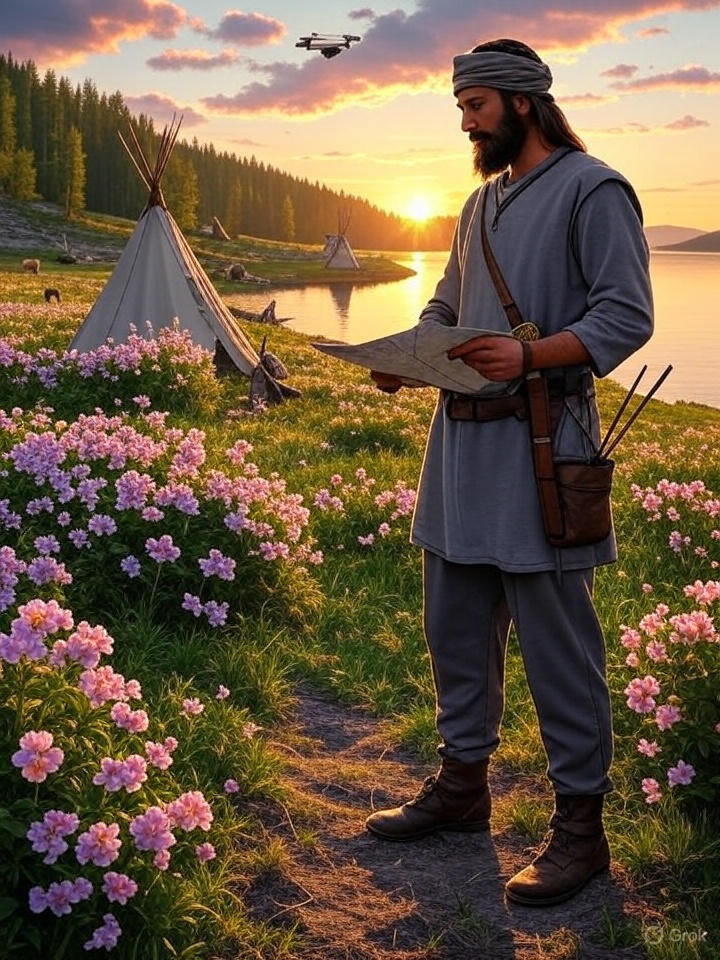


 Anarchistbanjo's World